Tour Overview
The Garden of Eden, Enclosed in Stone
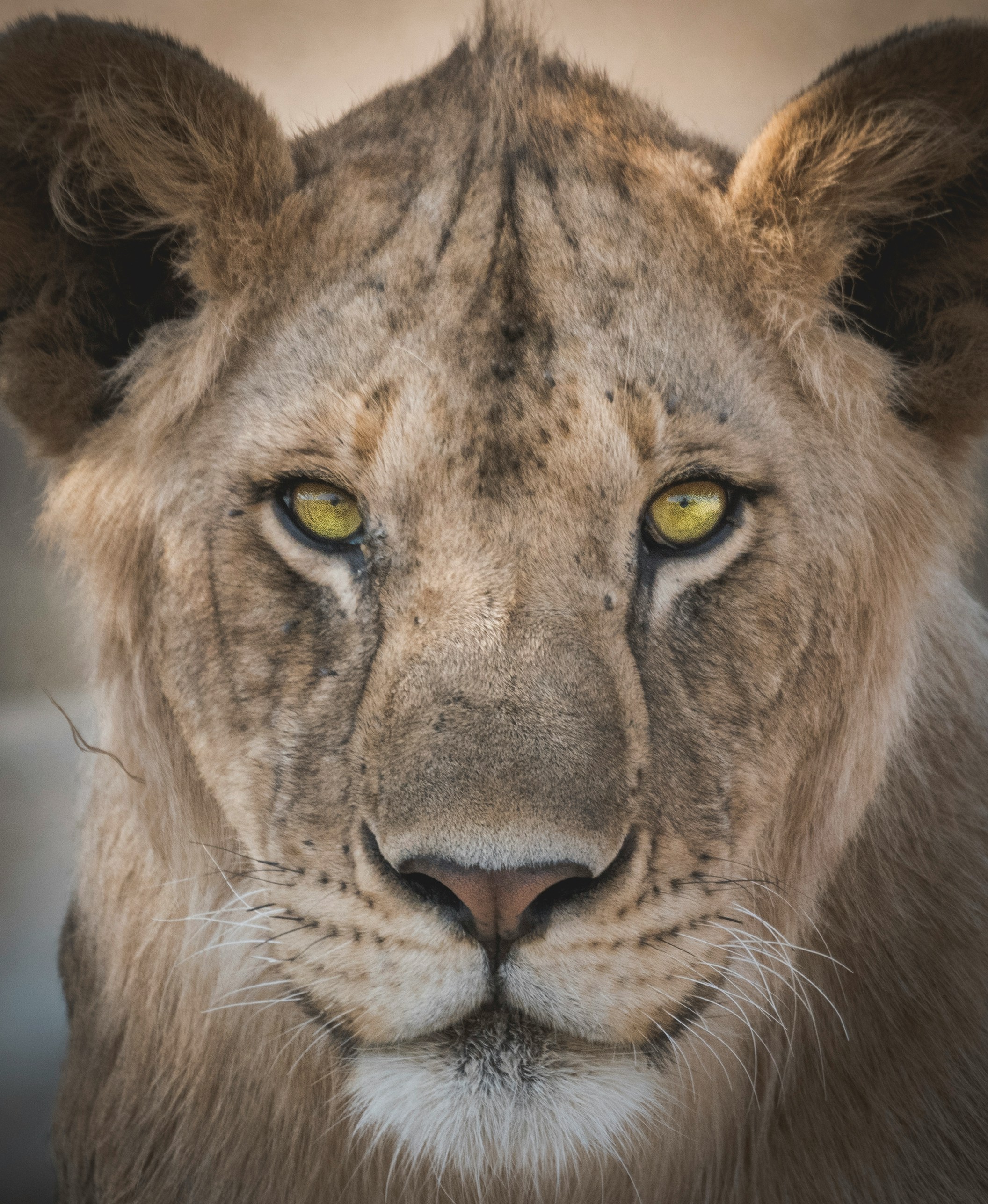
Three million years ago, a volcano the size of Kilimanjaro collapsed inward, creating a caldera 19 kilometres across and 600 metres deep. Today, Ngorongoro is a self-contained world — a UNESCO World Heritage Site where roughly 25,000 large mammals live within a single, enclosed ecosystem. The crater walls form a natural barrier that keeps its wildlife concentrated and remarkably accessible. No other location on Earth allows you to see lions, elephants, flamingos, hippos, and the critically endangered black rhinoceros in a single morning's drive.
This three-day itinerary builds the Ngorongoro experience in layers: a dramatic rim descent on arrival, a full crater day for thorough wildlife exploration, a cultural visit to a Maasai community living on the crater's outer slopes, and enough time on the crater floor to find the rhino — something that requires patience, good eyes, and a knowledgeable guide. Ours have both.
Tour Highlights
Why Ngorongoro Stays With You
Day-by-Day Itinerary
Three Days Inside the Caldera
Arusha to the Crater Rim — First Light Over the Caldera
Morning
Depart Arusha at 07:00. The three-and-a-half hour drive passes through the bustling town of Karatu and climbs through montane forest to the conservation area boundary. As the altitude increases, temperatures drop and the vegetation shifts from dry acacia to dense highland forest — watch for black-and-white colobus monkeys in the canopy.
Afternoon
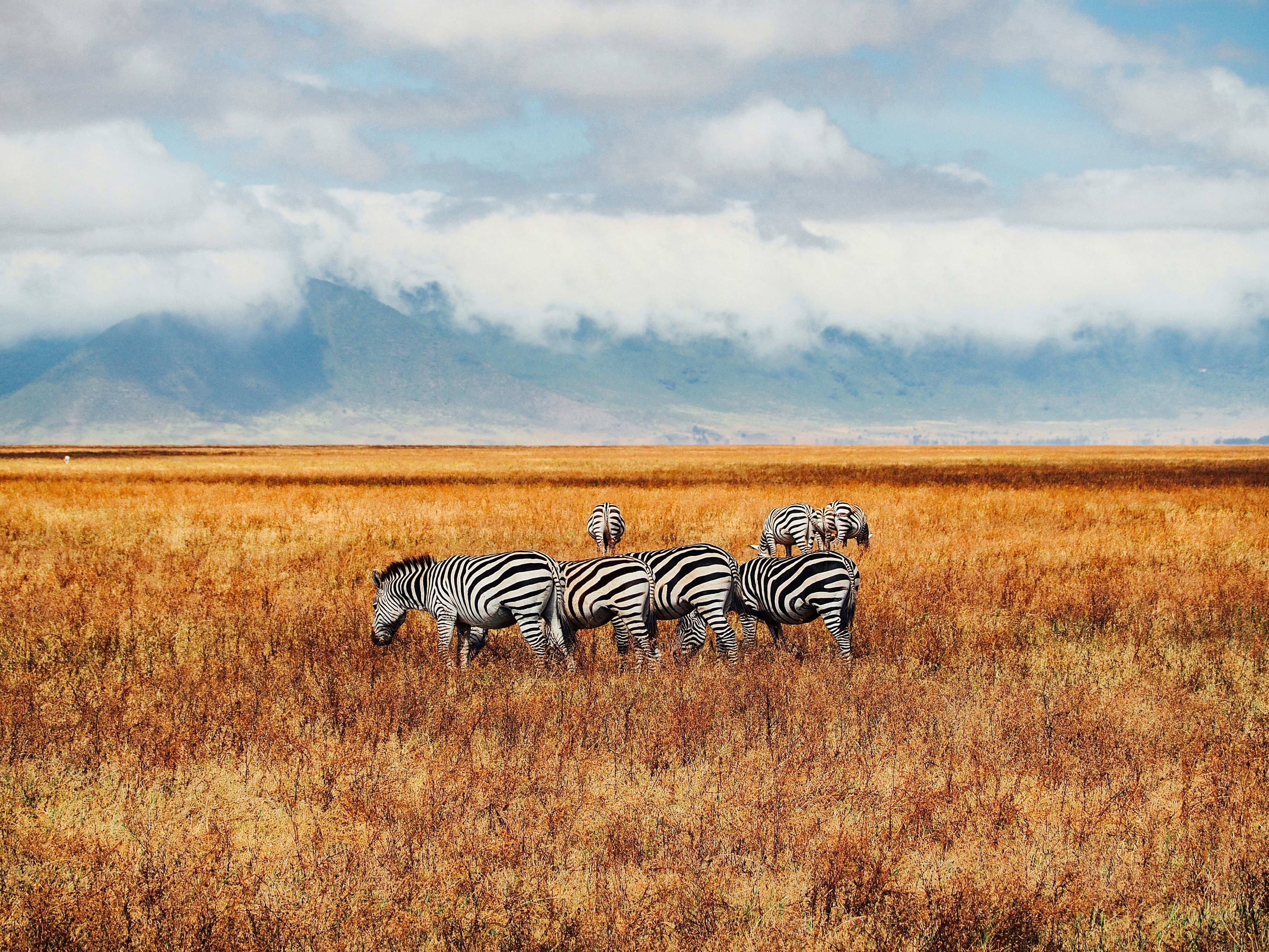
Arrive at the crater rim at approximately 11:00. Your first view of the caldera often stops conversation entirely. After lunch at the rim picnic area, descend into the crater via the Seneto descent road — a steep, winding track that drops 600 metres in four kilometres. The ecosystem changes visibly: short grass plains, forest patches, and the gleaming soda lake below come into view as you descend. An afternoon game drive explores the western crater floor: hippo pools, lionesses in the shade, and the vast open grassland dotted with zebra and wildebeest.
Evening
Ascend via the Lerai exit road, passing through the fever tree forest as the light turns amber. Arrive at rim lodge in time for sunset views. Dinner at the lodge — the crater visible below, its mist thickening as night falls.
Full Crater Day — The Rhino, the Lions, and the Lake
Early Morning
A 06:00 crater descent gives you the best of the morning light and the best chance of active predators. Your guide makes directly for the open grassland near Ngoitokitok Springs — the crater's reliable rhino territory. The black rhinoceros is a solitary browser: your guide will scan the distant treeline with binoculars, looking for the distinctive high-shouldered silhouette. When you find one — and patience usually pays — it is genuinely one of Africa's most moving wildlife encounters. Fewer than 25 black rhinos remain on the crater floor.
Mid-Morning
Move to Lake Magadi's southern shore, where thousands of lesser flamingos feed in the shallows. Beyond them, a lion pride often rests near the lake edge while spotted hyenas slink nearby. Pelicans patrol the water. Egyptian geese march in formation. A bush breakfast is laid out by your guide beside the lake.
Afternoon
After a midday rest in the vehicle's shade, explore the Lerai Forest — the acacia grove on the crater's floor that shelters enormous old-bull elephants, solitary males that live semi-independently of the crater's main elephant population. The afternoon light in the forest makes this ideal for photography. A game drive back toward the hippo pool closes the day.
Evening
Ascend to the rim as the crater fills with mist. Dinner at your lodge; optional Maasai dancers performance at selected properties. Your guide debriefs the day's sightings over a post-dinner drink.
Maasai Village Visit — Return to Arusha
Morning
After breakfast, visit a traditional Maasai boma on the outer slopes of the caldera. The Maasai have co-existed with Ngorongoro's wildlife for centuries — their cattle graze alongside wildebeest, and their seasonal movements follow the same patterns as the animals. Your guide facilitates a genuine exchange: learn about Maasai livestock culture, traditional medicine, and the significance of the crater in Maasai cosmology. This is not a rehearsed demonstration; it is a meeting.
Late Morning
Return to the rim for a final cup of tea with the crater one last time. One of the great Tanzanian views: the caldera spread below, smoke from the Maasai settlements on its far slopes, perhaps an elephant moving through the Lerai Forest far below.
Afternoon
Drive back to Arusha via Karatu, arriving approximately 15:00–16:00. Drop-off at hotel or Kilimanjaro International Airport.
Wildlife
Animals You May Encounter
What's Covered
Included & Excluded
✓ What's Included
- ✓ Ngorongoro Conservation Area entry and crater descent fees
- ✓ TANAPA-certified professional English-speaking guide
- ✓ Private 4×4 Land Cruiser with pop-up roof hatch
- ✓ 2 nights' accommodation on crater rim (by chosen tier)
- ✓ All meals from dinner Day 1 through breakfast Day 3
- ✓ Maasai village cultural visit and guide introduction
- ✓ Bush breakfast and packed lunch on crater floor drives
- ✓ Drinking water and soft drinks throughout
- ✓ Arusha hotel pick-up and drop-off
- ✓ Digital wildlife field guide and trip briefing notes
✗ What's Not Included
- ✗ International flights and domestic Tanzania transfers
- ✗ Travel and medical insurance (required)
- ✗ Tanzania tourist visa (USD 50 — apply online in advance)
- ✗ Alcoholic and premium beverages
- ✗ Personal spending and optional purchases at the Maasai village
- ✗ Gratuities for guide and lodge staff (USD 15–20/day suggested)
- ✗ Maasai boma entrance fee (approx. USD 20/person, paid directly)
Where You'll Sleep
Accommodation Options
Rhino Lodge
A modest but well-run rim lodge operated by the conservation authority. Simple en-suite rooms and a dining room with limited crater views. An honest, affordable option for travellers on a tighter budget who prioritise time on the crater floor over lodge luxury.
Ngorongoro Wildlife Lodge
Perched on the very lip of the crater at 2,286 metres, this established lodge offers comfortable en-suite rooms, most with direct crater views. Waking up here to mist rising off the caldera below is an experience that justifies the extra cost over budget options.
Ngorongoro Crater Lodge
One of Africa's most dramatic lodges. Seventeen suites built on the crater rim with floor-to-ceiling glass, private butlers, and a level of theatrical luxury that seems almost implausible in the wilderness. A landmark property for a landmark destination.
Timing Your Visit
Best Time to Visit
Unlike the Serengeti, Ngorongoro's enclosed ecosystem means wildlife is present year-round. The question is not whether to see animals — it is which season's atmosphere appeals to you most.
June–October is prime: dry, cool, excellent visibility across the crater floor, and the flamingo population is often at its largest on Lake Magadi. November brings the short rains — brief afternoon showers that leave the crater floor impossibly green, and visitor numbers drop dramatically. January–February is warm, clear, and often quiet, with newborn animals attracting predator activity.
Questions Answered