Tour Overview
Five Days on the World's Greatest Stage
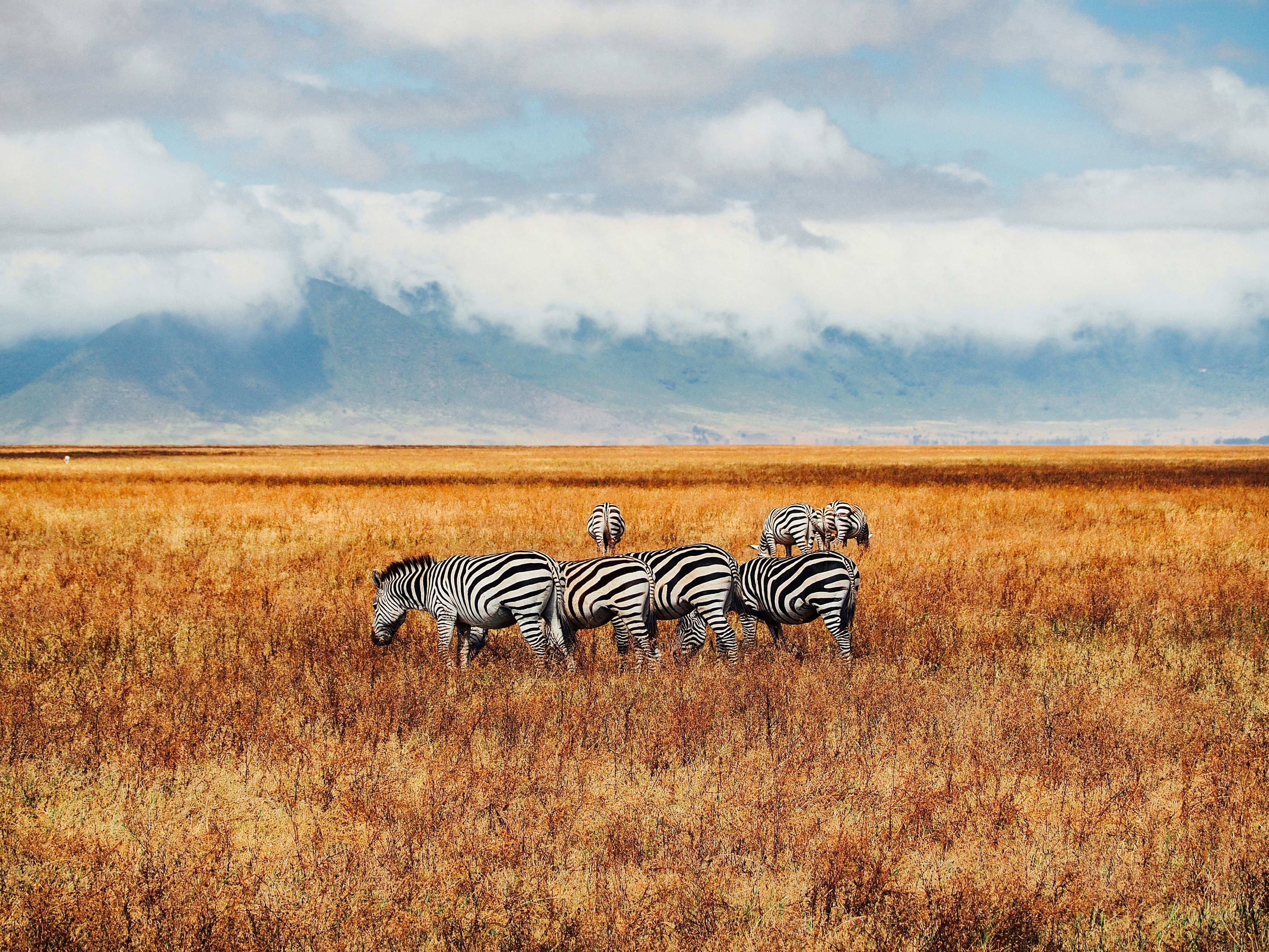
The Serengeti is not a place you visit — it is a place that changes you. Stretching across 14,750 square kilometres of open savanna, acacia woodland, and seasonally flooded grassland, it hosts the largest overland migration of mammals on Earth. Over five extraordinary days, you will drive through the heart of this UNESCO World Heritage Site in a custom 4×4 safari vehicle, tracking lions on the hunt, watching cheetahs sprint across golden plains, and waking to the sound of hyenas calling before dawn.
This safari is designed for travellers who want more than a postcard. Whether you are a wildlife photographer chasing perfect light, a couple celebrating something meaningful, or a family with children old enough to appreciate the wild, this itinerary gives you time — time to sit, to observe, to let the Serengeti reveal itself at its own pace.
Tour Highlights
What Makes This Safari Unmissable
Day-by-Day Itinerary
Your Five Days in the Serengeti
Arusha Departure — Arrival at the Gate
Morning
Your guide collects you from your Arusha hotel at 06:30. The drive west passes through the Maasai Steppe, offering views of the Great Rift Valley escarpment and, on clear mornings, the snow cap of Mount Kilimanjaro glinting on the horizon. Pack layers — mornings in the highlands are cool.
Afternoon
You pass through the Ngorongoro Conservation Area, pausing at the crater rim viewpoint for your first look into the caldera. As the road descends onto the Serengeti plains, watch for your first Thomson's gazelles and hartebeest grazing along the roadside. Complete park entry formalities at the Naabi Hill Gate.
Evening
Arrive at camp as the sun dips. A hot shower and cold drink await. Your guide leads a pre-dinner briefing on what to expect over the coming days, and a chef-prepared three-course dinner is served under the open sky. Listen for the iconic whoop of spotted hyenas calling in the dark.
Central Serengeti — The Seronera Valley
Morning
Depart camp at first light — 06:00. The Seronera Valley is the Serengeti's lion heartland: rocky kopjes sheltering prides, and open grassland where cheetahs begin their morning hunts. Your guide reads the landscape with practised eyes, tracking fresh paw prints and scanning tree branches for the tail-tip of a resting leopard. A packed bush breakfast is served in a clearing with views across the plains.
Afternoon
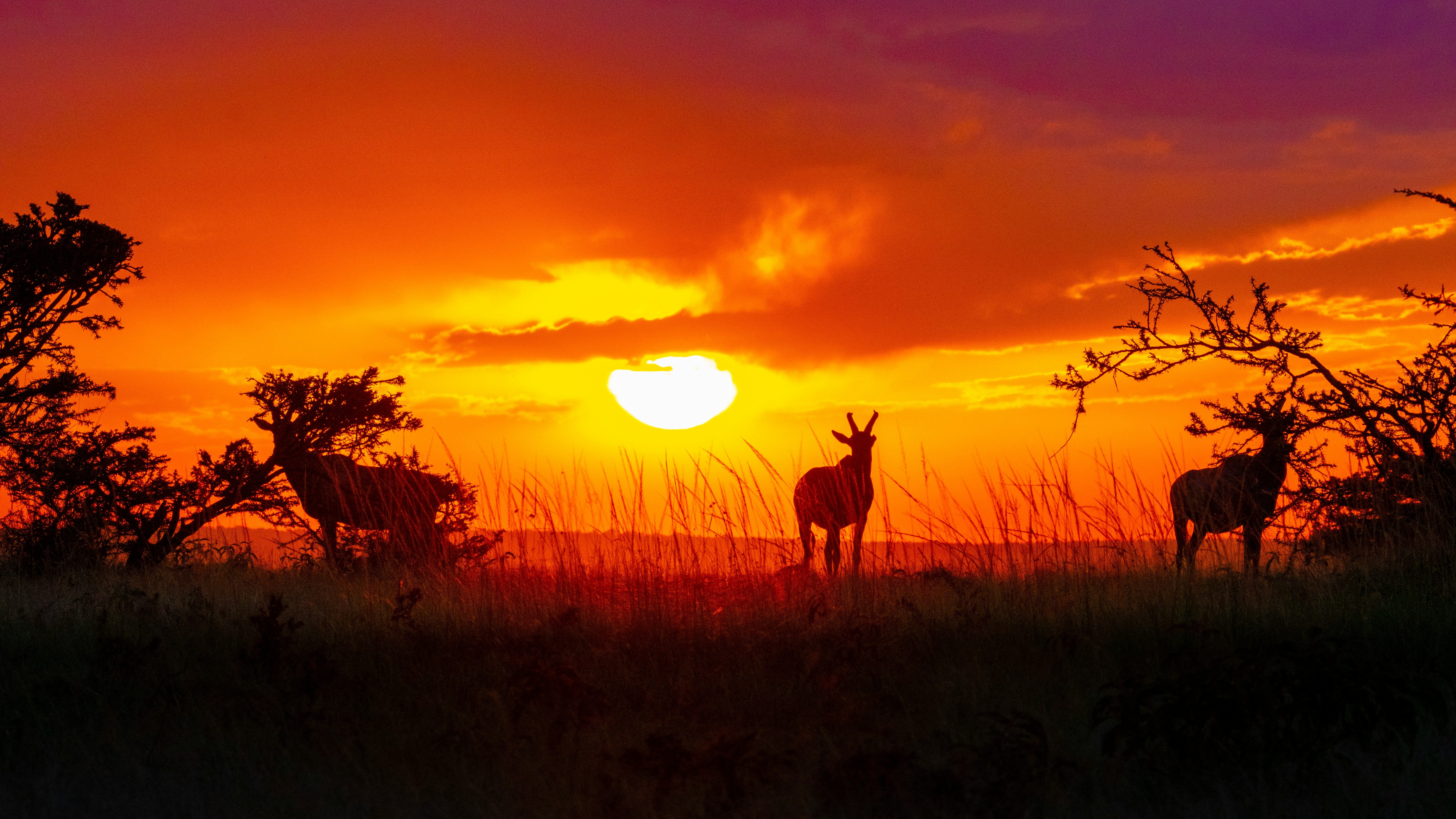
Return to camp for lunch and a mid-afternoon rest during the heat of the day. At 16:00 depart again for a golden-hour drive through the Seronera River corridor, where hippos wallow in the shallows and kingfishers dart between the reeds. Sundowner drinks in the field as the sky turns crimson.
Evening
Dinner at camp. Your guide shares the day's wildlife log and marks tomorrow's route based on current migration positions reported by network scouts.
Balloon Dawn & Northern Migration Grounds
Pre-Dawn (Optional)
For those who booked the hot air balloon (recommended), a 05:00 departure by vehicle to the launch site. Float silently over the Serengeti as the sun rises, watching herds of wildebeest spread across the plains thousands of feet below. The hour-long flight ends with a champagne breakfast in the bush.
Mid-Morning
Drive north toward the Lobo area, following the migration herds if they are in the northern corridor. This landscape is more rugged: granite boulders, riverine forest, and fewer vehicles. An exceptional area for elephant herds and buffalo.
Afternoon & Evening
A long afternoon game drive through the Lobo Valley. Picnic lunch beside a seasonal stream. Return to a fly-camp or northern tented lodge as the evening cools. Stargazing after dinner — the Milky Way is extraordinary from this altitude.
Western Corridor — The Great River Crossings
Morning
If the season is right (July–September), position at a Grumeti or Mara River crossing point by 07:00. Thousands of wildebeest gather at the bank, testing the current, retreating, and then — in a moment that arrives without warning — plunging in as one. Nile crocodiles weighing up to 750 kg wait in the green water. It is one of the most visceral wildlife spectacles in the natural world.
Afternoon
Explore the Grumeti Reserve, home to the Serengeti's largest crocodile population and significant populations of colobus monkeys in the riverine forests. Afternoon drive across the open savanna back toward the central Serengeti.
Evening
Return to camp for a celebratory dinner. Your guide leads a safari recap and helps you choose your best photographs from the day. A campfire and optional night walk (guided, within camp perimeter) close the evening.
Final Morning Drive — Return to Arusha
Morning
One final sunrise game drive before departure — often the most memorable, knowing it is the last. Seek out whatever your list has not yet delivered: a leopard, a pangolin, or simply a pride of lions resting in the long grass while the world wakes up around them. Pack-up breakfast at camp.
Afternoon
Depart the Serengeti via the Naabi Hill Gate and drive east through the Ngorongoro Conservation Area. Optional rim stop for late afternoon views into the crater. Arrive Arusha approximately 18:30. Drop-off at your hotel or Kilimanjaro International Airport.
Wildlife
Animals You May Encounter
What's Covered
Included & Excluded
✓ What's Included
- ✓ All Serengeti National Park entry fees and conservation levies
- ✓ Expert TANAPA-certified professional guide (English-speaking)
- ✓ Private 4×4 safari Land Cruiser with pop-up roof
- ✓ 4 nights' accommodation (tented camp by chosen tier)
- ✓ All meals from dinner Day 1 to breakfast Day 5 (full board)
- ✓ Unlimited drinking water and soft drinks during game drives
- ✓ Bush breakfast and picnic lunch on game drives
- ✓ Airport and hotel transfers from/to Arusha
- ✓ Ngorongoro Conservation Area transit fees
- ✓ Pre-departure briefing and digital itinerary pack
✗ What's Not Included
- ✗ International or domestic flights to/from Tanzania
- ✗ Travel and medical insurance (required — we can recommend providers)
- ✗ Tanzania tourist visa (currently USD 50 — apply online before travel)
- ✗ Hot air balloon experience (approx. USD 550 per person — highly recommended)
- ✗ Alcoholic beverages
- ✗ Personal expenses, laundry, and phone charges
- ✗ Gratuities for guide and camp staff (suggested: USD 20–30/day/guide)
- ✗ COVID-19 testing or health certificates if required at time of travel
Where You'll Sleep
Accommodation Options
Kati Kati Tented Camp
A classic East African mobile camp with comfortable canvas tents, shared ablution facilities, and a communal mess tent. Real, unpretentious bush camping with full catering. Ideal for travellers who want to prioritise time in the field over lodge amenities.
Serengeti Sopa Lodge
A well-established lodge with en-suite rooms, a swimming pool, and a dining terrace with panoramic savanna views. Reliable, comfortable, and well-positioned in the central Serengeti. Suitable for couples and families seeking comfort without excess.
Four Seasons Safari Lodge / Singita Grumeti
World-class luxury in the wilderness. Infinity pools, private butlers, gourmet dining, and suites designed so wildlife can be observed from your deck. If budget is not a constraint, this is the finest way to experience the Serengeti.
Timing Your Safari
Best Time to Visit
The Serengeti rewards visitors year-round, but the character of the experience changes dramatically with the season. The Migration follows a broadly predictable annual loop — but it is always wildlife, never a guaranteed schedule.
June–October is dry season: short grass, excellent visibility, river crossings in the north. January–February brings the calving season in the southern Serengeti — 500,000 wildebeest calves born in six weeks, attracting predators in extraordinary numbers. March–May sees heavy rains and lush landscapes at reduced rates.
Questions Answered