Tour Overview
The Rift Valley's Most Surprising Safari
Lake Manyara National Park is Tanzania's great underestimated. At just 325 square kilometres — a fraction of the Serengeti — it delivers an experience that surprises every visitor who expects it to be merely a warm-up for bigger parks. The secret lies in its extraordinary ecological compression: within a single afternoon's drive, you pass from dense groundwater forest sheltering baboon troops and blue monkeys, through grassy floodplains where elephant families graze at dusk, to the alkaline lake's edge where thousands of flamingos turn the shallows pink. Overhead, the towering wall of the Great Rift Valley escarpment turns the park into a natural amphitheatre.
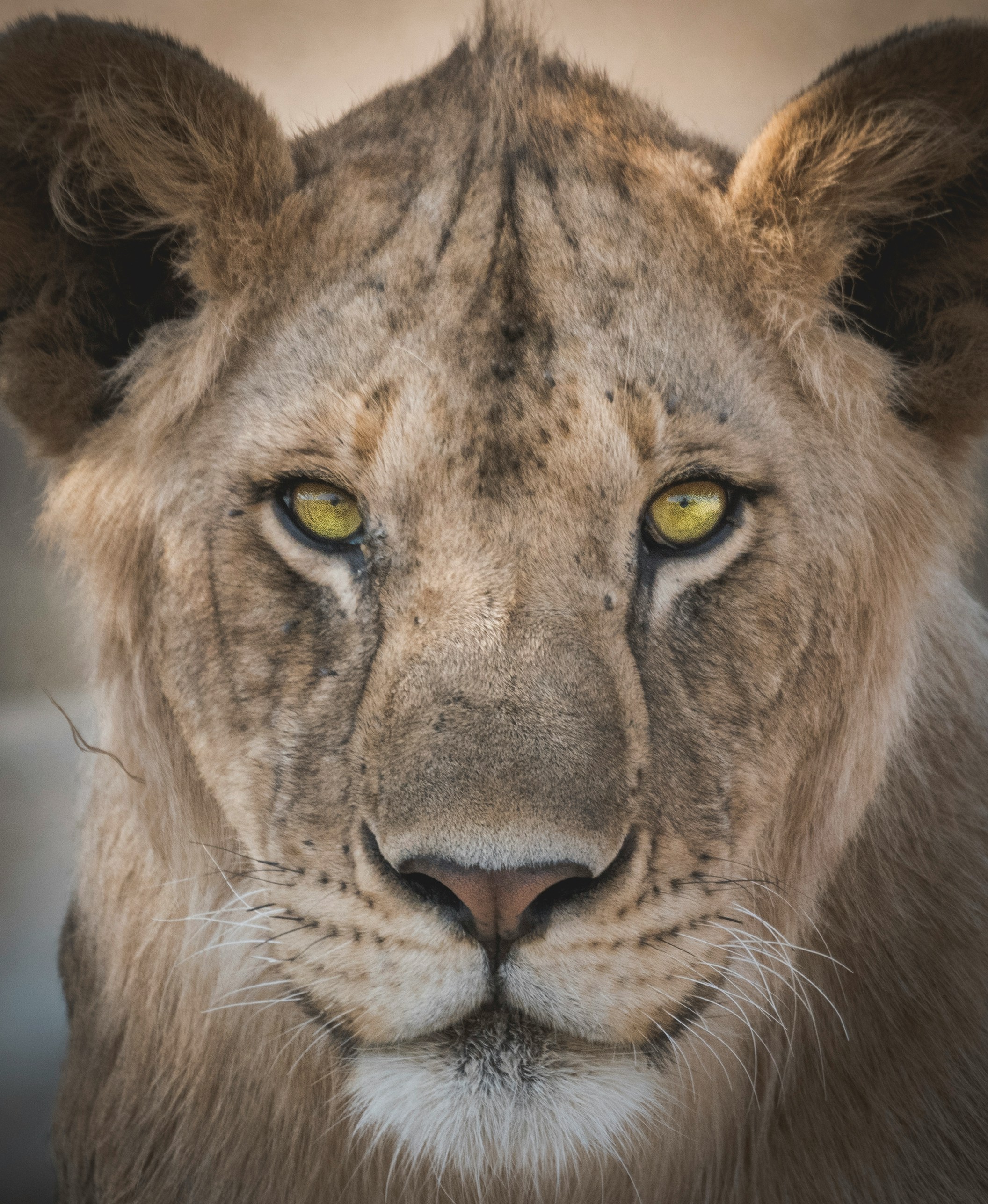
And then there are the lions. Lake Manyara is one of the only places in the world where lions habitually climb trees — a behaviour not fully understood by scientists, but thrilling to witness: a 180-kilogram predator draped across an acacia branch eight metres above the ground, perfectly at ease. This two-day escape covers both the forest and the lake, the flamingos and the tree lions, giving first-time visitors a genuine taste of Tanzania's wild heart with minimal travel time from Arusha.
Tour Highlights
Small Park, Enormous Impressions
Day-by-Day Itinerary
Two Days in the Rift Valley
Arusha Departure — Forest, Lions & the Lake at Sunset
Morning
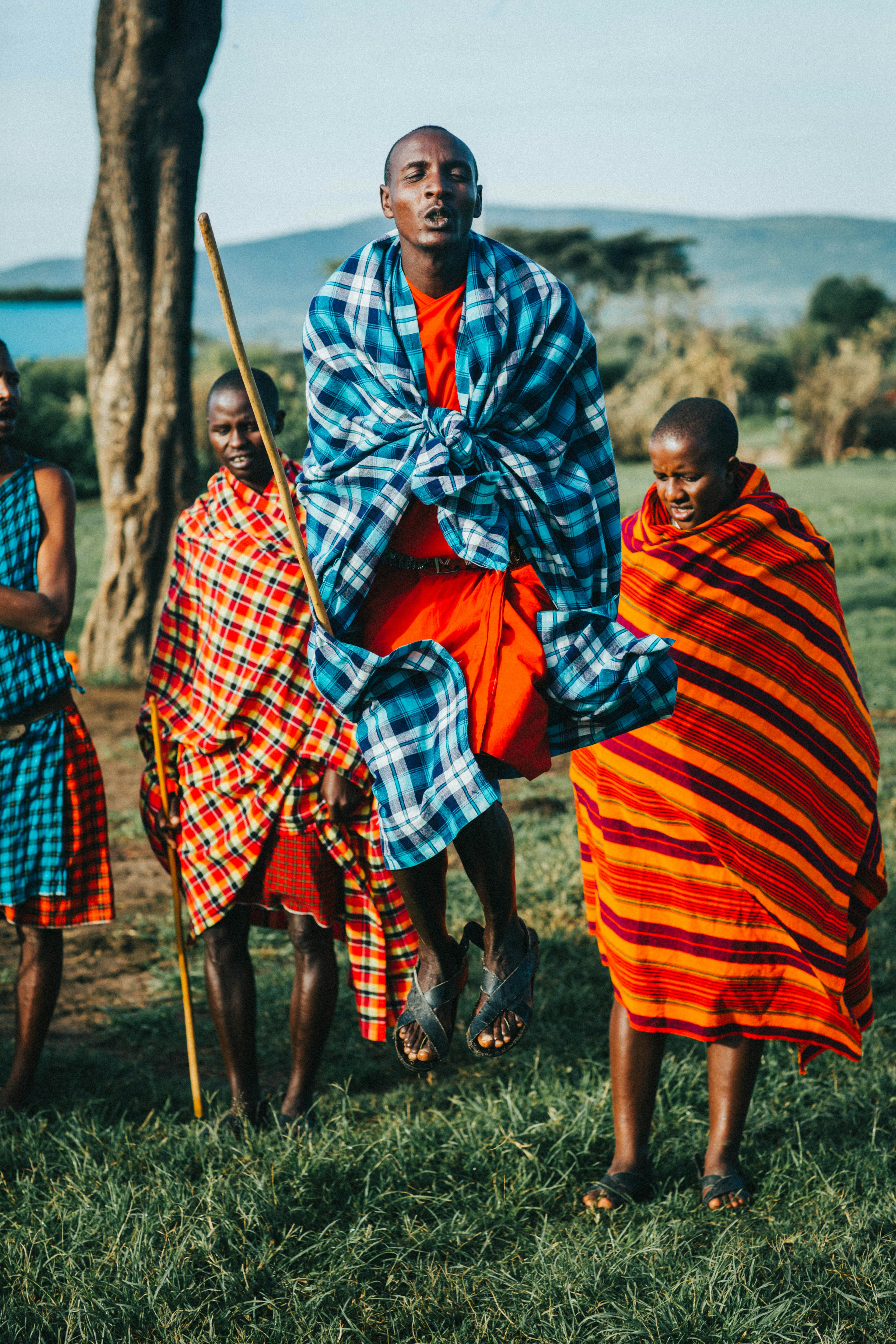
Your guide collects you from your Arusha hotel at 07:30. The drive south passes through the towns of Usa River and Mto wa Mbu — the "River of Mosquitoes," a market town at the foot of the Rift Valley escarpment where dozens of Tanzania's tribal groups live side by side. A brief stop here to collect fresh fruit for the road is a small pleasure. From Mto wa Mbu, the lake and its papyrus-fringed shores come into view as you descend, and the escarpment wall rises dramatically behind the park entrance.
Mid-Morning
Enter the park and begin immediately in the groundwater forest — the most productive section for tree-climbing lions and primates. Your guide drives slowly beneath the forest canopy, scanning the upper branches of sausage trees and acacias. Olive baboon troops cross the road; blue monkeys move through the branches overhead; bushbuck freeze in the forest shadows. This is a different kind of game viewing — quieter, more attentive, and extraordinarily rewarding when patience pays off with a pair of lions resting twelve feet above the forest floor.
Afternoon
Emerge from the forest onto the open floodplain, where the ecosystem shifts completely. Elephant families graze along the floodplain edge. Giraffes move with their characteristic slow-motion elegance through the acacia scrub. The lake comes into view: a vast silver-and-pink sheet, its near shore lined with flamingos and pelicans. A picnic lunch is laid out beside the lake as white pelicans drift past in formation. The afternoon drive continues south along the lake shore — the escarpment wall catching the afternoon sun, its reflection fragmenting in the lake below.
Evening
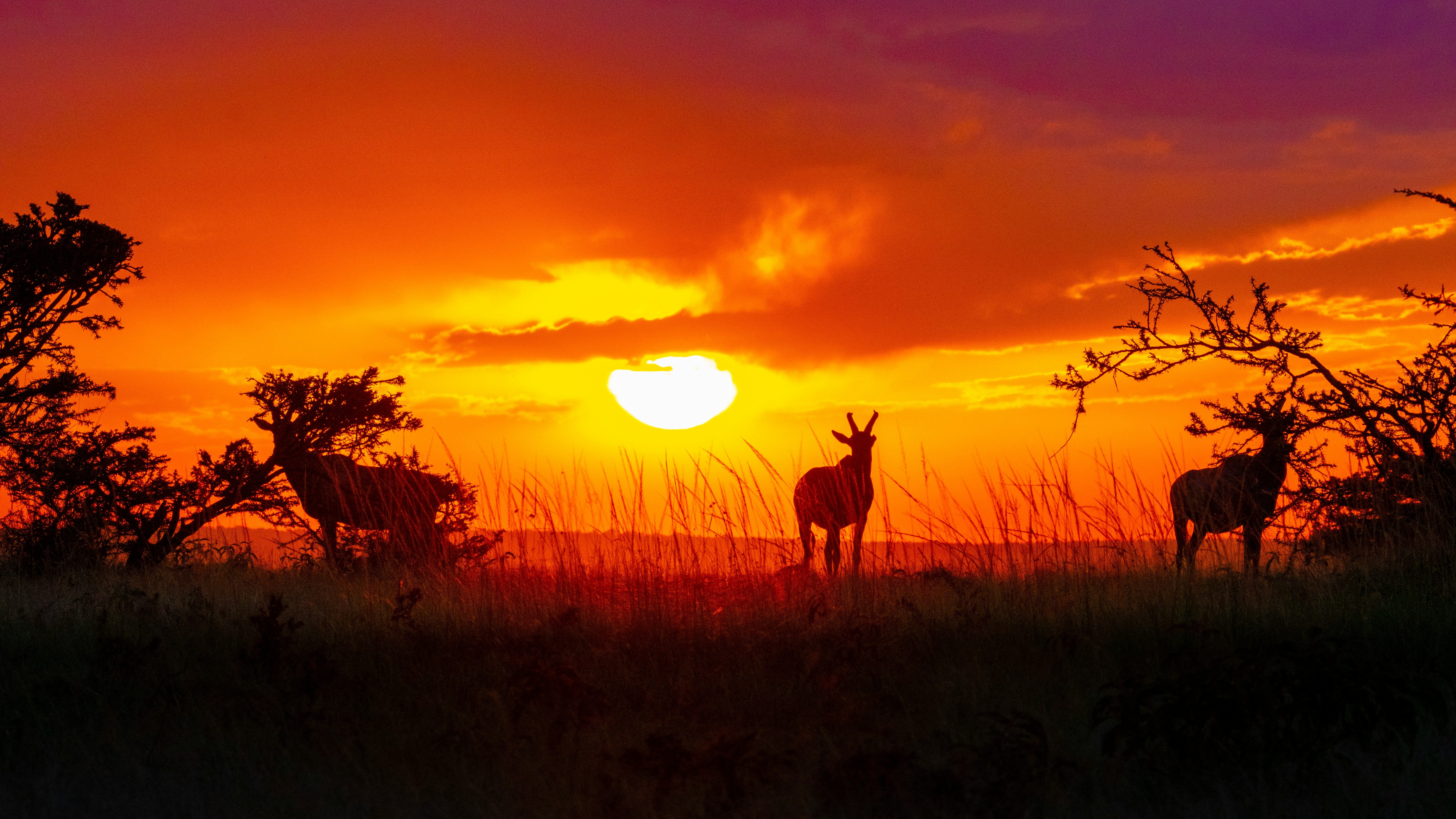
Return through the floodplain at golden hour — the hour before sunset when Manyara's light becomes extraordinary. Hippos emerge from the water at the hippo pools; a buffalo herd moves through the tall grass; a lone fish eagle calls from a dead acacia above the water. Check into your lodge as the sun drops behind the escarpment. Dinner on the terrace with a view across the lake to the fading sky.
Dawn Drive — Birding, Hot Springs & Return to Arusha
Early Morning
A 06:00 departure catches the park at its most atmospheric. Morning mist lies across the lake; the flamingos begin their feeding movements; and the forest is alive with birdsong. This is Manyara's best birding hour. Your guide — who doubles as a bird specialist — covers the park's most celebrated species: the lilac-breasted roller, the grey-crowned crane, the saddle-billed stork, and the southern ground hornbill, which walks in stately procession across the floodplain in groups that look like small herds of cattle.
Mid-Morning
Visit the Maji Moto hot springs near the park's southern boundary — a series of geothermal pools where steam rises year-round and endemic reed frogs call from the surrounding vegetation. This corner of the park is rarely visited and consistently produces excellent elephant sightings. A bush breakfast is served here: your guide lays out the table as a family of elephants browses within clear view.
Late Morning
A final pass through the floodplain and forest before the midday heat closes the park's active wildlife window. Exit through the main gate and make a brief stop in Mto wa Mbu, where a local market offers fresh produce, hand-carved wooden crafts, and some of the best fresh-pressed sugarcane juice in Tanzania. A good place to find a memento that was actually made here.
Afternoon
Return drive to Arusha arrives approximately 14:30–15:30. Drop-off at your hotel or Kilimanjaro International Airport. Optional add-on: continue directly to Ngorongoro Crater for overnight — this route connects seamlessly with the Ngorongoro Experience package.
Wildlife
Animals You May Encounter
What's Covered
Included & Excluded
✓ What's Included
- ✓ Lake Manyara National Park entry fees
- ✓ Professional TANAPA-certified guide (English-speaking)
- ✓ Private 4×4 Land Cruiser with pop-up roof
- ✓ 1 night's accommodation (lodge by chosen tier)
- ✓ All meals from lunch Day 1 to lunch Day 2
- ✓ Picnic lunch and bush breakfast in the field
- ✓ Unlimited drinking water and soft drinks
- ✓ Arusha hotel transfers (pick-up and drop-off)
- ✓ Digital bird checklist and wildlife guide PDF
✗ What's Not Included
- ✗ International and domestic flights
- ✗ Travel and medical insurance (strongly recommended)
- ✗ Tanzania tourist visa (USD 50 — apply online)
- ✗ Alcoholic and premium beverages
- ✗ Personal purchases and souvenirs at Mto wa Mbu market
- ✗ Gratuities (USD 10–15/day per guide suggested)
- ✗ Night game drive add-on (available on request)
Where You'll Sleep
Accommodation Options
Jambo Campsite & Lodge
A clean, friendly lodge in Mto wa Mbu town, a short drive from the park entrance. Simple banda rooms with en-suite facilities, a communal dining area, and a lively atmosphere shared with other travellers. Excellent value and a genuinely social experience.
Lake Manyara Serena Lodge
Built into the Rift Valley escarpment with commanding views over the lake and park, the Serena offers comfortable rooms, a swimming pool, and a terrace where sundowners feel like a reward well earned. The escarpment position means the views are genuinely spectacular.
Kirurumu Tented Lodge
An intimate tented lodge perched on the escarpment edge, overlooking the entire lake and its flamingo colonies. Just sixteen tents, each with a private veranda and unobstructed Rift Valley views. The evening here — sundowners, the lake turning pink below — is among Tanzania's finest.
Timing Your Visit
Best Time to Visit
Lake Manyara is a year-round destination, but certain months reward specific interests. Birdwatchers should plan carefully; flamingo numbers fluctuate with water levels; and the tree-climbing lions are reliably present throughout the year.
June–September is dry and ideal: short grass gives excellent visibility, flamingo numbers peak on the lake, and the tree-climbing lions spend more time in the acacias escaping the heat. January–February is also excellent — warm, dry, and with the added bonus of migratory bird species from Europe passing through. November–December brings the short rains, turning the park lush green and dramatically reducing visitor numbers — a worthwhile trade-off for those who prefer solitude. March–May sees heavy rains that can make the park's tracks challenging; we still operate during this period but advise clients accordingly.
Questions Answered