Tour Overview
Where Elephants Rule the Baobab Wilderness
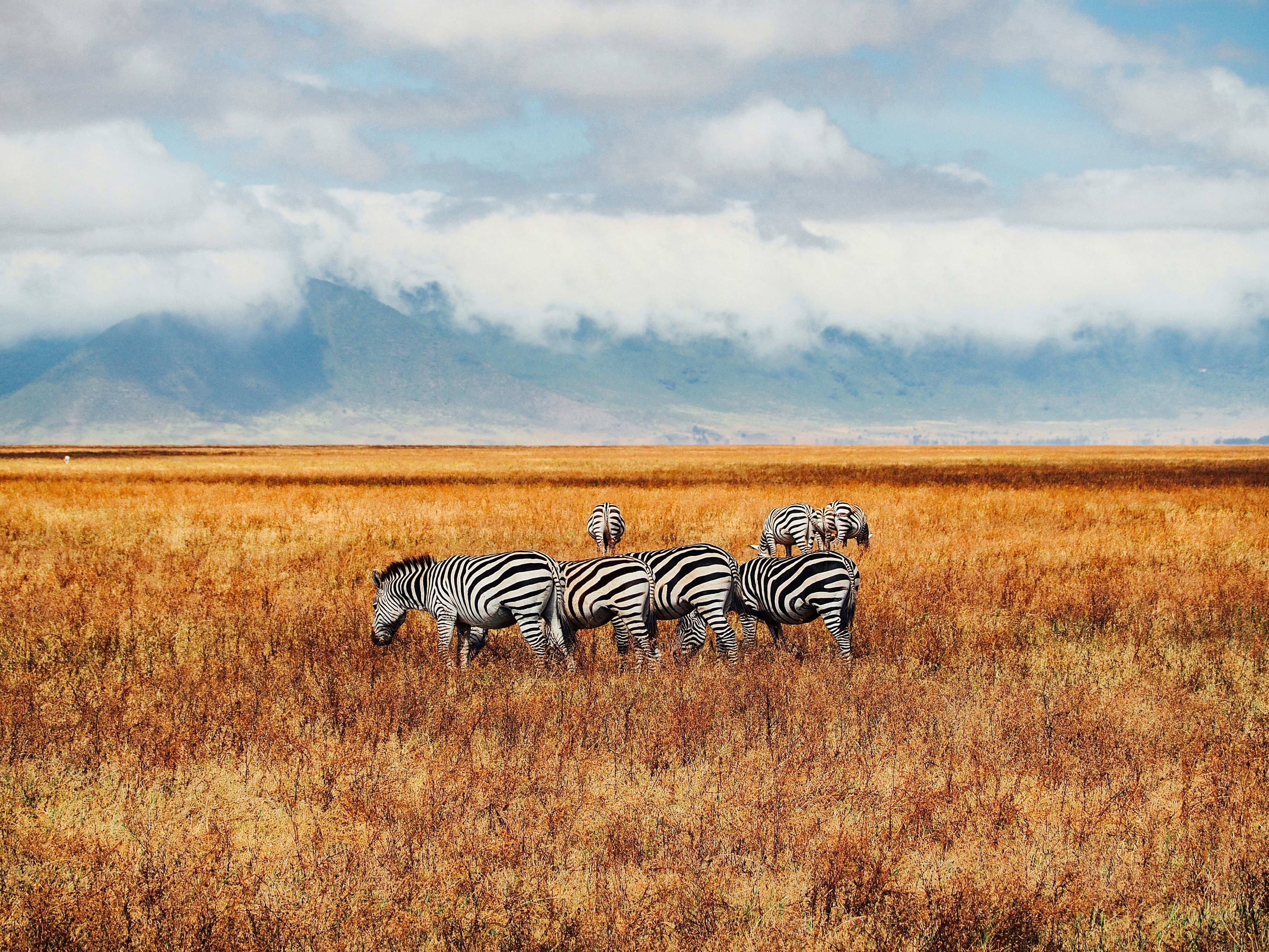
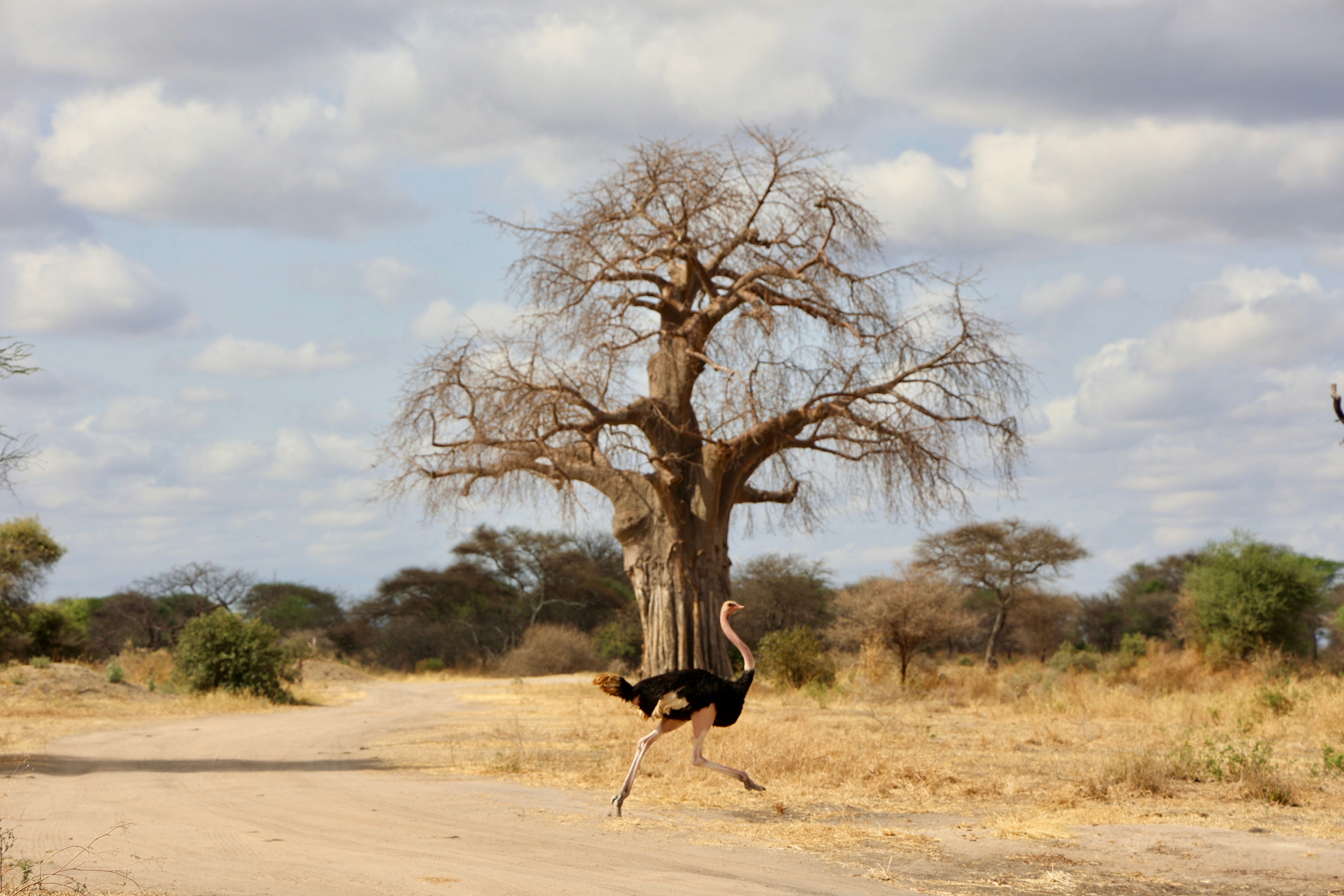
Tarangire is the park that serious safari-goers return to. While the Serengeti draws the crowds and Ngorongoro earns the headlines, Tarangire quietly delivers some of Tanzania's most extraordinary wildlife encounters — in a landscape so visually distinctive that every photograph looks like a painting. Ancient baobab trees, some over a thousand years old and wider than a family car, punctuate the open savanna and riverine scrub. The Tarangire River runs through the park year-round, drawing concentrations of wildlife that rival anything on the continent during the dry season.
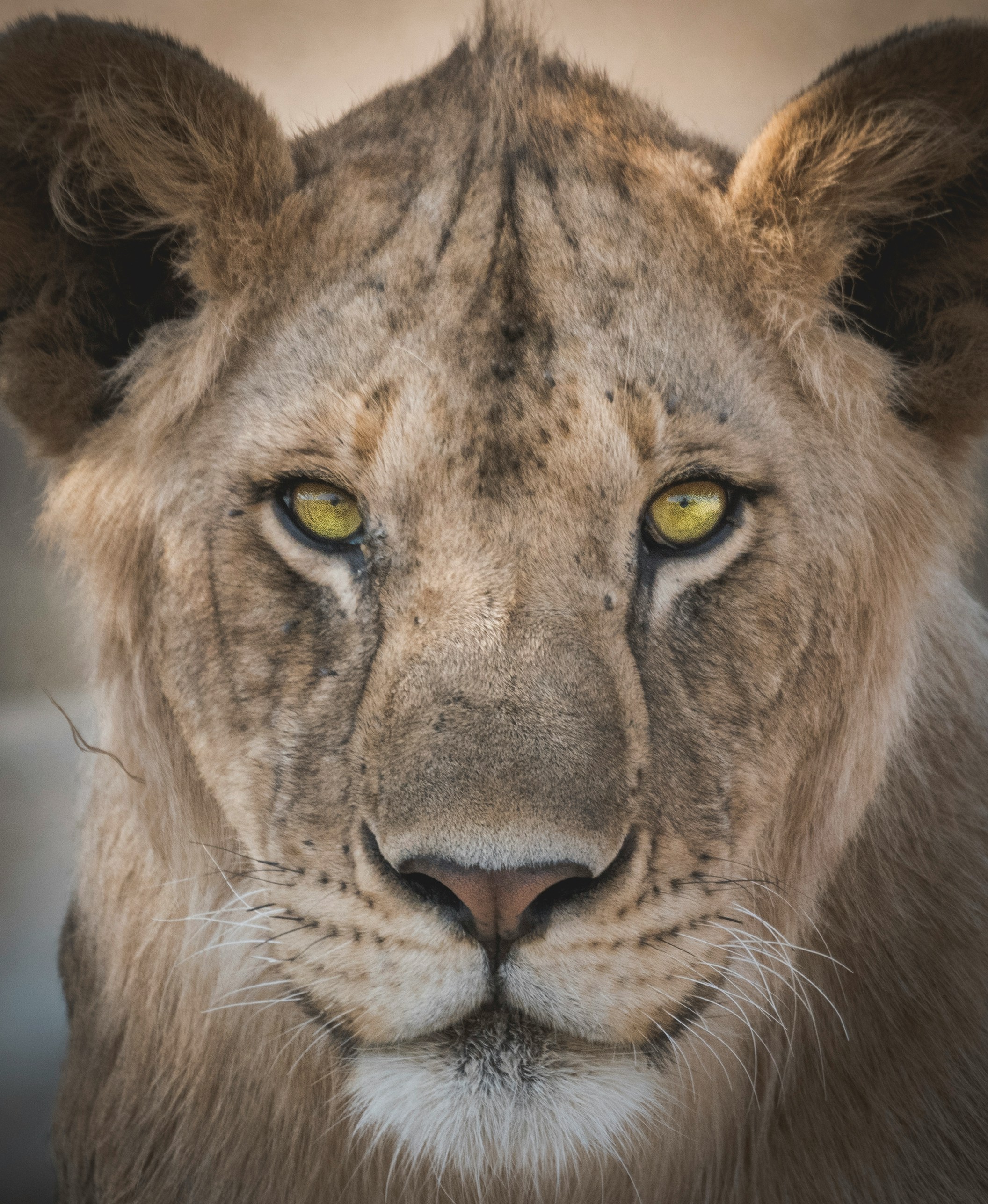
This three-day expedition focuses on what Tarangire does better than anywhere else: elephants. Tanzania's largest elephant population congregates here during the dry months — herds of eighty, a hundred, sometimes more, moving between the river and the salt licks, matriarchs leading calves across open floodplains while bulls spar at the water's edge. This is also exceptional territory for lions, wild dogs (rare but present), and over 550 recorded bird species — more than any other park on the Northern Circuit.
Tour Highlights
What Sets Tarangire Apart
Day-by-Day Itinerary
Three Days in Elephant Country
Arusha Departure — Arrival & Afternoon Drive
Morning
Depart Arusha at 07:00, heading south through the fertile farmland of the Maasai Steppe. The landscape transitions from lush highland cultivation to drier acacia scrub as you drop in altitude. Your guide briefs you on what to expect as the baobabs begin to appear roadside — first singly, then in groves — signalling Tarangire's outer limits. Arrive at Tarangire main gate (Engikaret) at approximately 10:30 and complete entry formalities.
Afternoon
A first game drive along the Tarangire River valley — the park's beating heart. The river is wide, slow, and perpetually busy: elephants wade across in family groups, hippos surface and submerge in the deeper pools, yellow baboons pick through the mud on the banks. Move south along the valley to Silale Swamp, a wetland that attracts enormous concentrations of waterbirds and is a reliable site for giant python, monitor lizard, and the elusive shoebill in the right season. Bush lunch served riverside.
Evening
Check into camp as the light turns amber. From the camp's elevated position above the river valley, watch elephant herds move across the floodplain below as the sky changes colour. Dinner under the open sky, a campfire, and your guide's evening debrief on tomorrow's route.
Full Park Day — Baobab Wilderness & Walking Safari
Early Morning
A 06:00 departure into the Baobab Zone — the park's central plateau where the oldest trees stand. In the cool morning air, with mist still lying in the valley below, these ancient giants cast extraordinary long shadows across the red earth. Elephant bulls move between salt licks; a family of warthogs trots past in single file; a pair of ground hornbills works the grass with patient deliberateness. This is prime lion territory — the kopjes here shelter prides year-round.
Mid-Morning
Optional guided walking safari (highly recommended) with an armed ranger and your guide. Tarangire's walking areas allow you to track elephant prints, examine termite mounds, identify medicinal plants, and understand the ecosystem at ground level. Even experienced safari-goers find that two hours on foot transforms their understanding of everything they see from the vehicle. Duration 1.5–2 hours.
Afternoon
Drive into the park's less-visited southern wilderness — Lemiyon and Mkungunero areas — where African wild dogs have been increasingly sighted by our guides. This landscape is rawer and less manicured than the northern river zone: wide, open, slightly intimidating in the best possible way. Return to camp via the Kitibong Hill route, which at sunset positions you above the valley as the elephants head to the river in their hundreds.
Evening
Sundowners from camp's viewing platform. Tonight your guide arranges an optional guided night walk within the camp perimeter — hearing Tarangire at night, with jackals calling and owls overhead, is an entirely different experience from the daytime world.
Sunrise Drive & Return to Arusha
Early Morning
A final sunrise drive along the river — golden light on the baobabs, elephants at the waterhole, and the park still quiet before the heat of the day sets in. This morning's drive often produces the trip's most memorable moments: patient, unhurried time in a landscape that has fully revealed itself over three days.
Mid-Morning
Return to camp for a full breakfast and pack-up. Exit through Engikaret Gate by 10:00 and begin the return drive to Arusha. A brief stop at a local Maasai market near Makuyuni allows you to browse crafts, fabrics, and fresh produce — a gentle landing back into the world after days in the wilderness.
Afternoon
Arrive Arusha approximately 14:00–15:00. Drop-off at hotel or Kilimanjaro International Airport. Optional onward connection to Zanzibar for a beach extension.
Wildlife
Animals You May Encounter
What's Covered
Included & Excluded
✓ What's Included
- ✓ All Tarangire National Park entry and conservation fees
- ✓ Professional TANAPA-certified guide (English-speaking)
- ✓ Private 4×4 Land Cruiser with pop-up roof
- ✓ 2 nights' accommodation (by chosen tier)
- ✓ All meals from dinner Day 1 to breakfast Day 3
- ✓ Guided walking safari with armed ranger (Day 2)
- ✓ Bush lunch and picnic meals on game drives
- ✓ Unlimited drinking water and soft drinks
- ✓ Arusha hotel pick-up and drop-off
- ✓ Digital wildlife field guide and packing list
✗ What's Not Included
- ✗ International or domestic flights
- ✗ Travel and medical insurance (required)
- ✗ Tanzania tourist visa (USD 50 — apply online)
- ✗ Alcoholic beverages
- ✗ Personal expenses and souvenirs
- ✗ Gratuities for guide and camp staff (USD 15–20/day suggested)
- ✗ Zanzibar beach extension (bookable separately)
Where You'll Sleep
Accommodation Options
Tarangire River Camp
A well-located, no-frills tented camp on the park boundary. Clean en-suite tents, communal dining, and a genuine bush atmosphere. The best value way to sleep in elephant country — herds sometimes pass within metres of camp at dawn.
Tarangire Sopa Lodge
A solid mid-range lodge inside the park with comfortable rooms, a swimming pool, and a terrace overlooking the Tarangire River valley. Elephant sightings from the dining area are genuinely common. A reliable, well-run property for couples and families.
Chem Chem Safari Lodge
A private concession bordering Tarangire, offering exclusive game drives, exquisite food, and a level of personal service that transforms a safari into something genuinely extraordinary. For travellers who want total immersion without compromise.
Timing Your Visit
Best Time to Visit
Tarangire's character changes dramatically by season. The dry season delivers sheer concentration of wildlife; the wet season turns the park lush and fills it with migratory birds.
June–October is the undisputed peak: the Tarangire River is the only water source for miles, drawing herds that must be seen to be believed. November–December and January–February bring the short rains then dry spell — the park greens up beautifully and migratory birds arrive in spectacular numbers. March–May sees the long rains; we operate with modified routes but conditions can be challenging.
Questions Answered