About Tarangire
The Park That Surprises Everyone
Most visitors to Tanzania's Northern Circuit think of Tarangire as the opening act — a warm-up for the Serengeti and Ngorongoro. This is a mistake. Tarangire has a character so distinct from every other park in Tanzania that comparing it to what comes after misses the point entirely. It is not a smaller Serengeti. It is something else completely.
The park's defining feature is the Tarangire River — a permanent water source in a landscape that dries completely every year between June and October. As the surrounding plains turn brown and the seasonal waterholes evaporate, every animal for hundreds of kilometres converges on the river. Elephant families of forty individuals. Buffalo herds that throw up a visible dust cloud from two kilometres away. Zebra, wildebeest, impala, and giraffe packing the riverine forest and the flat grasslands on either side. The game viewing density during the dry season is extraordinary, and it happens in a landscape dominated by the ancient baobab trees that make Tarangire look unlike any other park in Africa.
The baobabs are the other reason to come. These are not decorative trees. Some of the specimens in Tarangire are over 2,000 years old — older than most of the world's cities, growing before the Roman Empire had its first emperor. Their trunks store thousands of litres of water. Their bark is stripped by elephants who need the moisture. Their canopies hold hornbills, rollers, and the extraordinary nests of weaver colonies. Understanding a baobab tree in Tarangire is understanding the entire ecosystem around it.
Elephant families move through the baobab forest at dusk — a scene two thousand years in the making
The Baobab Chronicles
Trees That Were Old Before History Began
Tarangire's baobabs are not backdrop — they are protagonists. Each tree is a living archive, its age readable in its circumference, its bark in the marks of every elephant that has ever stripped it for moisture. This is the park's oldest story.
Barely a metre of trunk. Most baobab seedlings do not survive their first decade — elephants, fire, and drought take the majority. Those that do begin the centuries-long growth that will outlast every other living thing around them.
Mature baobabs become essential to elephants — who strip the bark for moisture and fibre, hollow the trunk for salt, and remember individual trees across generations. The relationship is mutual: elephant dung spreads the seeds.
Ancient baobabs develop hollow cores — enormous cavities that shelter bushbabies, owls, bats, and generations of insects. The Maasai used some large hollows as shelters. Weaver colonies build hundreds of nests in the canopy simultaneously.
The oldest Tarangire baobabs predate the birth of Islam, the construction of Angkor Wat, and the founding of Venice. They were already ancient when the Maasai arrived in East Africa in the 15th century. They may outlive everything we are building today.
The Elephant Kingdom
Understanding Tarangire's Elephants
No park in Tanzania — perhaps in Africa — provides a more intimate, sustained encounter with African elephants than Tarangire in the dry season. Understanding what you're watching transforms the experience.
Elephant herds are led by the oldest female — the matriarch — who carries decades of knowledge about water sources, safe routes, and seasonal food. In Tarangire, where water is seasonal and scarce, this knowledge is literally the difference between survival and death. A matriarch who knows the Tarangire River's hidden pools leads her family to them every year.
In the peak dry season (August–October), individual family groups merge at the river into temporary aggregations of 200, 300, even 400 individuals — called mega-herds. The sound of a mega-herd moving through the riverine forest, the ground vibrating, the dust rising, is one of the most overwhelming sensory experiences in the natural world.
Adult male elephants live apart from the family herds, joining only to mate. In Tarangire, old bulls roam the baobab woodland alone — enormous, scarred, and sometimes in musth (a hormonal state of heightened aggression). A lone bull in musth at twenty metres is the moment you understand that "gentle giant" is a tourist's phrase, not a naturalist's one.
Habitats
Four Ecosystems, One River
The Tarangire River bisects a mosaic of distinct habitats, each supporting different wildlife and offering a different kind of game viewing.
The iconic Tarangire landscape: ancient baobab trees on red laterite soil, with a floor of dry grass and low acacia scrub. This is where the elephants concentrate at all times of year. Eland, greater kudu, and the gerenuk — the long-necked antelope that feeds standing upright — are found in the dense baobab areas.
The river is the park's spine. A dense band of riverine forest — fig trees, acacias, doum palms — runs along both banks, providing shade, food, and cover for predators. Lion prides use the riverine vegetation as hunting ground; leopards move in the dense cover above the water; and hippos occupy every deep pool from June onward.
A permanent swamp in the park's southern section — a critical dry-season refuge that holds enormous buffalo concentrations, waterbuck, and wading birds. The open, boggy terrain around the swamp is prime cheetah hunting ground, and the area consistently produces the park's best big-cat sightings in June–August.
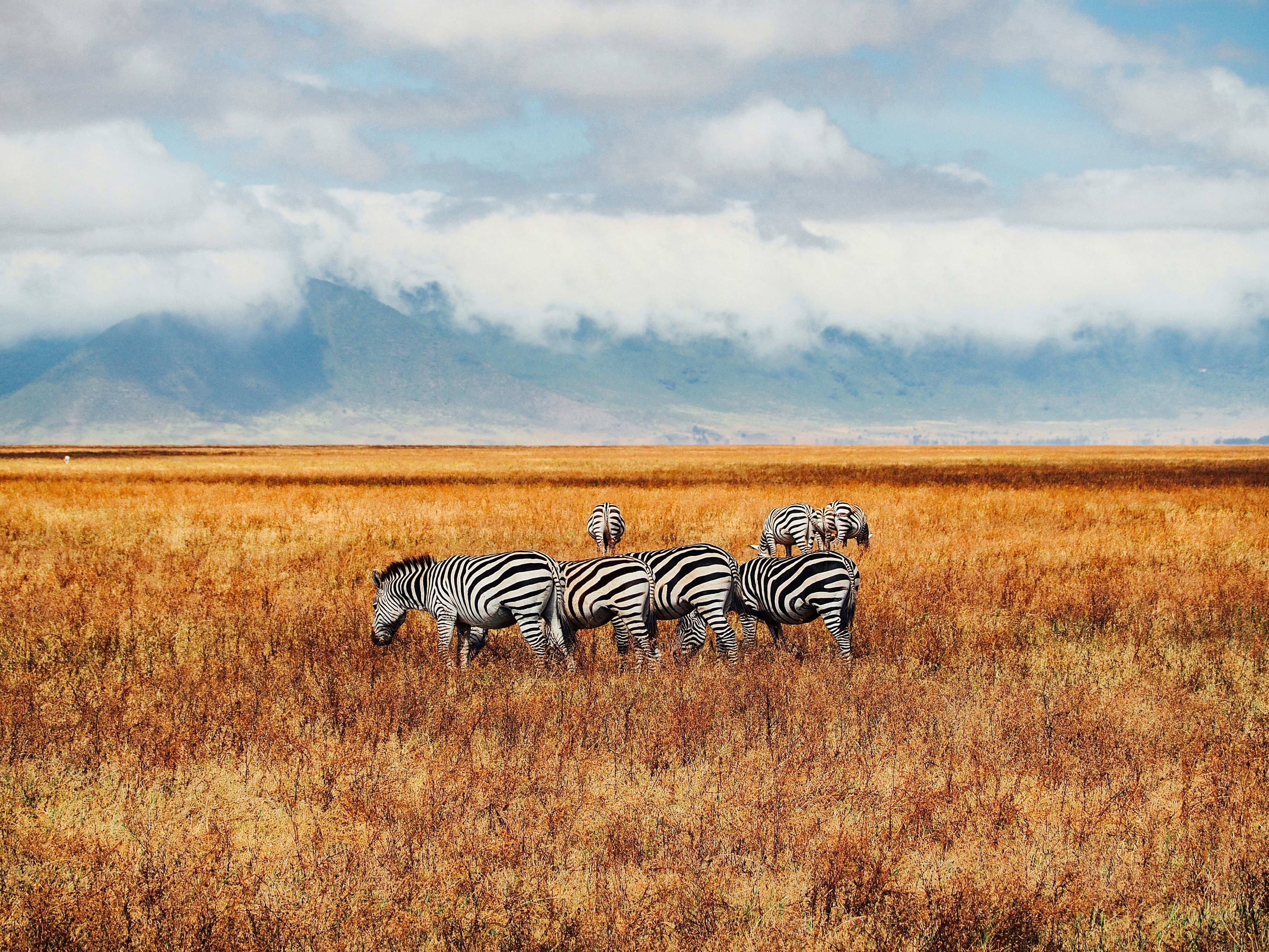
The open short-grass plains flanking the baobab woodland are where the Migration herds pass through between December and May, and where the park's zebra, wildebeest, and gazelle concentrate year-round. The open terrain makes this the easiest zone for spotting cheetah and the park's population of wild dogs — one of Tanzania's most reliable packs.
Wildlife
Animals of Tarangire
No park in Tanzania delivers elephant encounters like Tarangire in the dry season. Family groups move to the river in columns; mega-herds form at dusk. The intimacy of watching a forty-strong family interact — calves playing, matriarchs navigating, bulls pushing boundaries — is Tarangire's defining experience.
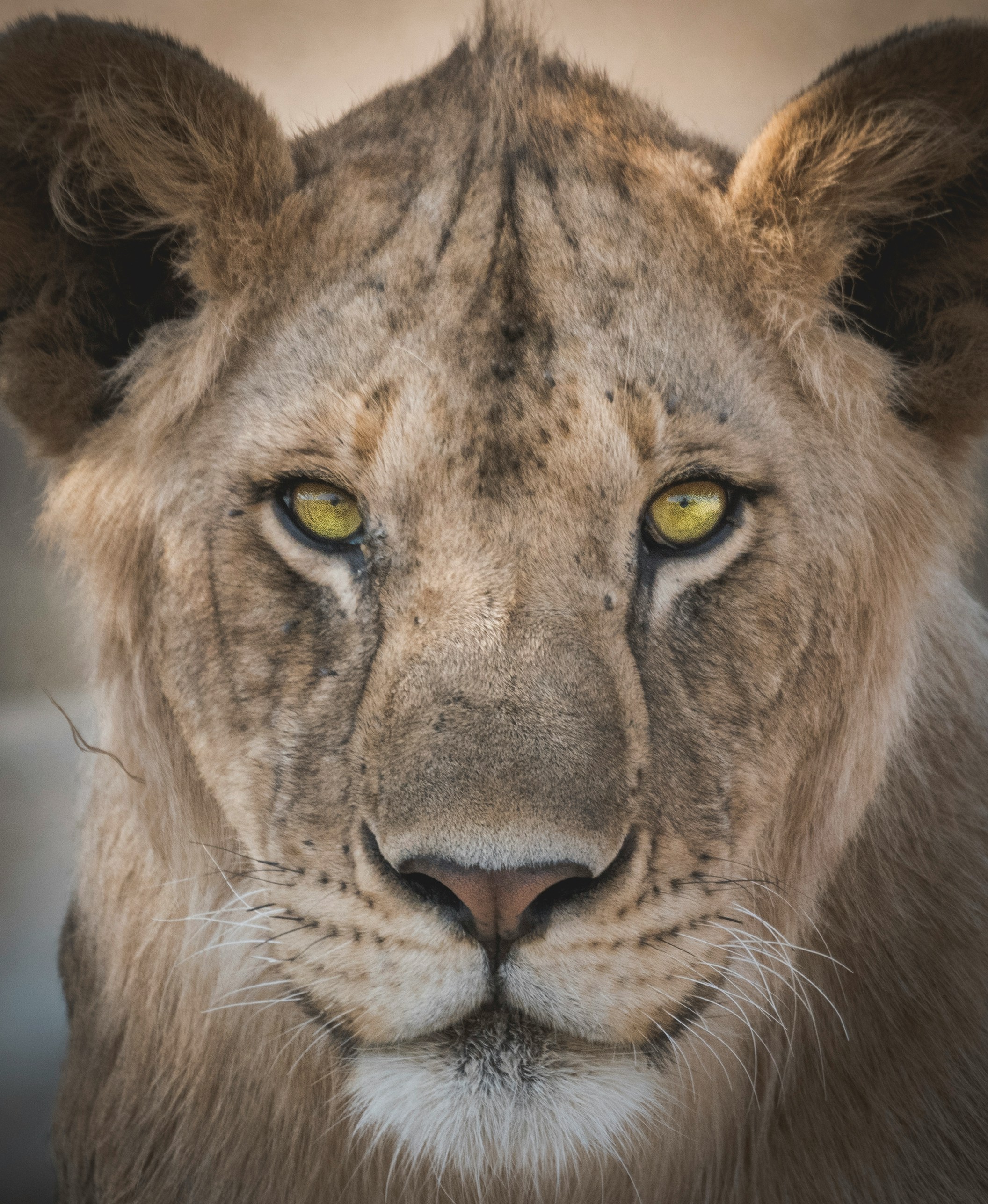
Tarangire holds one of Tanzania's few reliable wild dog populations. These extraordinary pack hunters — all painted faces, enormous ears, and extraordinary coordination — have a hunting success rate of over 80%, making them far more effective predators than lions. A wild dog hunt, pursued on foot for kilometres, is one of the most intense wildlife experiences available anywhere.
Safari Experiences
How to Experience Tarangire
Tarangire rewards time and early starts. The park's character is at its best before 09:00 and after 16:00 — the hours when the light is warm and the animals are active.
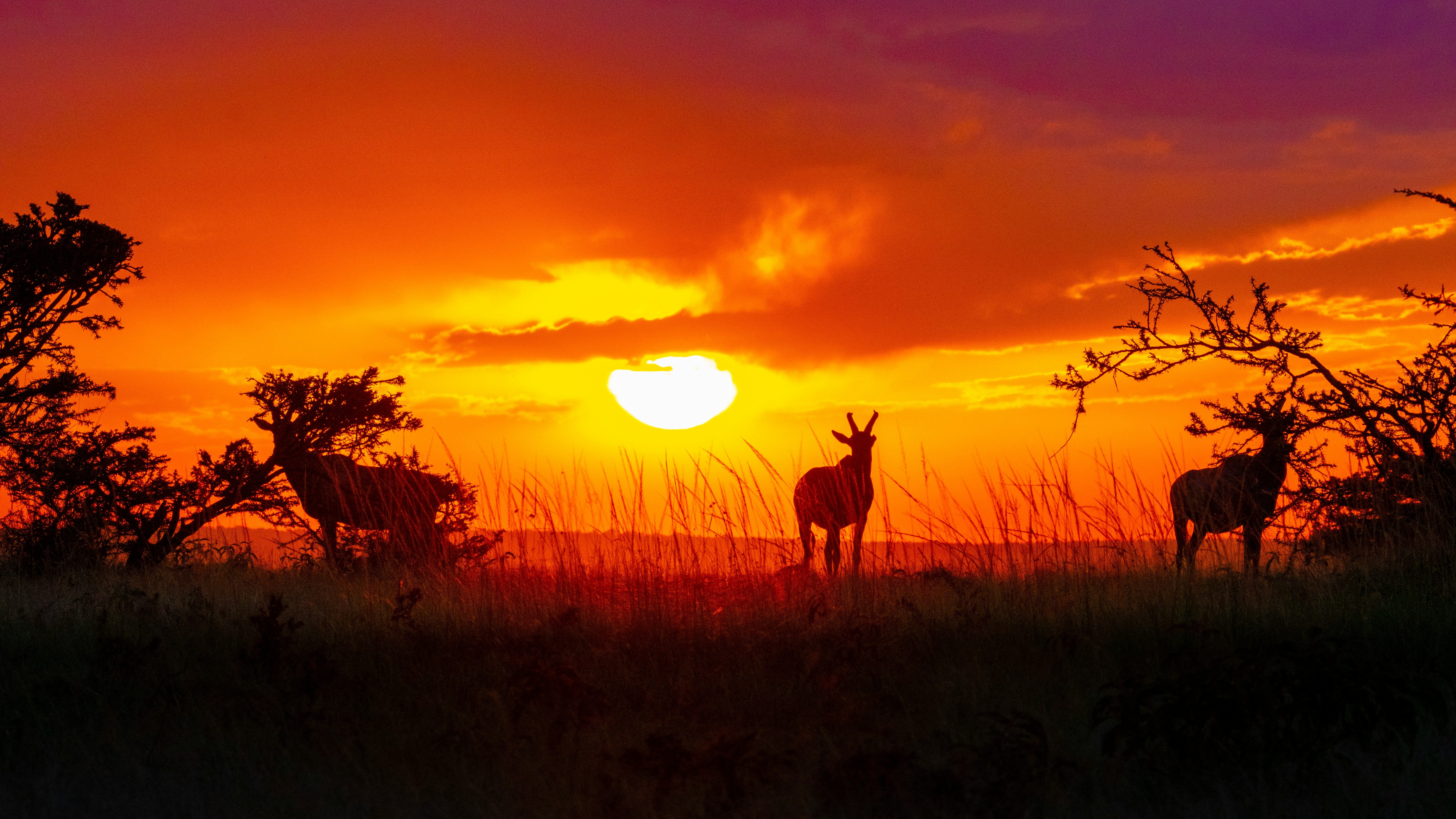
The baobab woodland at golden hour — when Tarangire looks exactly as Africa should look
A full day in Tarangire gives you access to all four zones: the baobab woodland in the morning cool, the river corridor through midday, the Silale Swamp for predators in the afternoon, and the return through the woodland at golden hour. Bush lunch is served in the field — often beside the river, with elephants crossing within view. No half-days; the park rewards time.
Tarangire at night is a completely different world. The nocturnal predators — serval, genet, African civet — move through the baobab woodland. Spring hares leap in the spotlight. Bush babies peer from the acacia canopy. And the sounds: the distant hyena clan, the hippo bellowing from the river, the nightjar calling continuously from the darkness. Available through our partner camps in the private conservancy north of the park gate.
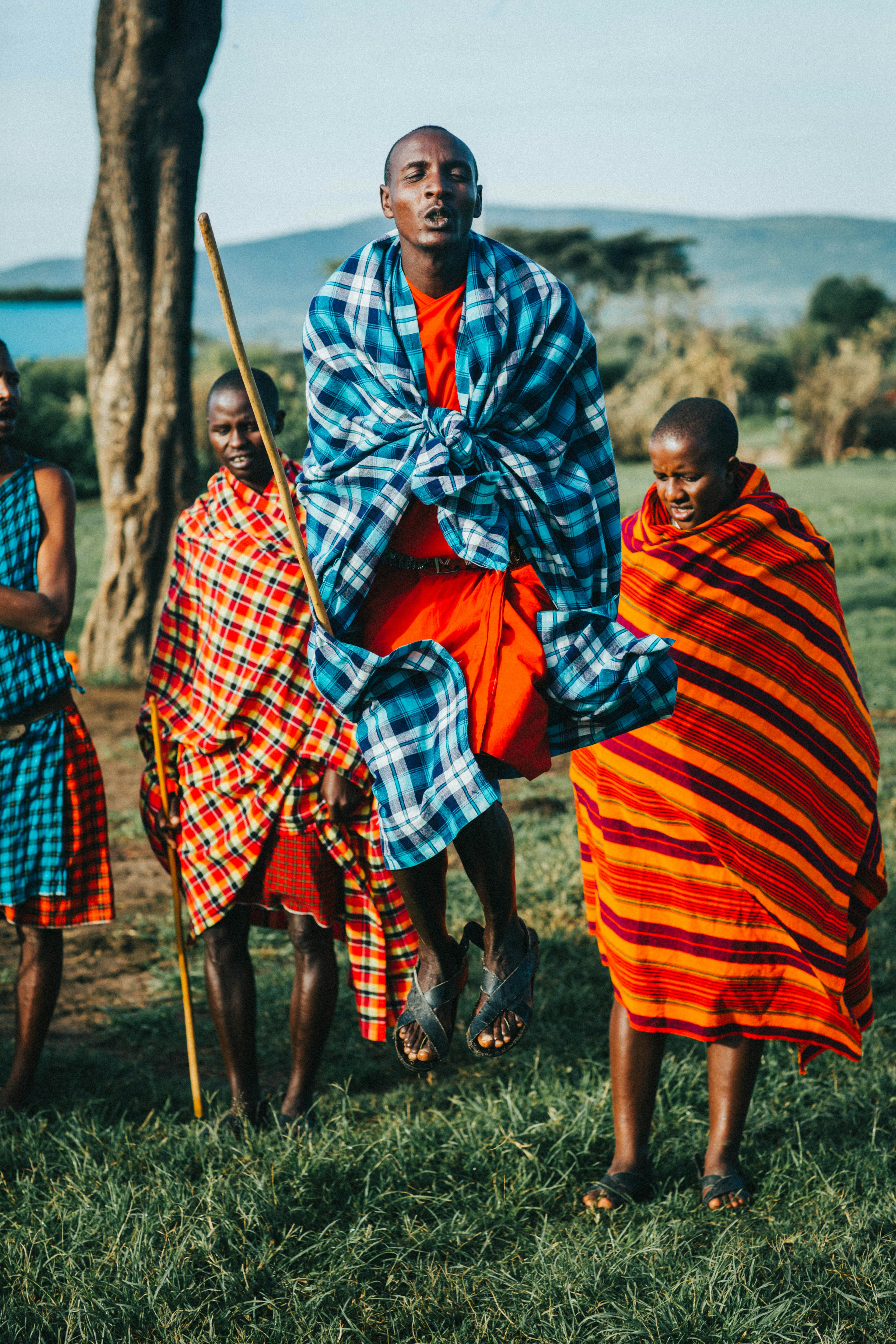
The private conservancy areas adjacent to Tarangire's northern boundary allow walking safaris with armed Maasai guides — a completely different perspective on the same animals. On foot, the baobab trees feel even more ancient; the elephant tracks in the red dust are enormous; and the experience of tracking a herd through the woodland with your guide reading the signs is something a vehicle can never replicate.
Tarangire is one of East Africa's top birding destinations. The river corridor holds six kingfisher species, the booted eagle, African hawk-eagle, and three species of roller. The Ashy starling is endemic to the Tarangire ecosystem and found nowhere else in the world. If you are a birder, please note this specifically when enquiring — we will pair you with a guide who has a bird specialist qualification and a life list rather than a mammal-focused guide.
Planning Your Visit
Practical Information
Tarangire is 2 hours south of Arusha on a good tarmac road via Makuyuni junction — the closest major game park to the city and to Kilimanjaro International Airport. It is always the first stop on the Northern Circuit for good logistical reason. We pick up from all major Arusha hotels at 07:00 and reach the park gate by 09:00. No domestic flights serve the park; it is road access only.
A minimum of one full day and one night allows both the morning and afternoon game drives, which together cover the full park circuit. Two nights is recommended for serious photographers or birders who want time in the southern Silale area and the northern baobab woodland. Tarangire is the first stop on our 7-day Northern Circuit, which allocates two nights here — we consider this the correct amount of time.
Budget: Tarangire River Camp — simple but beautifully located on the river bank, with the sound of hippos and baboons at night. Mid-range: Tarangire Sopa Lodge — on the escarpment above the park with sweeping views. Luxury: Oliver's Camp — one of East Africa's finest small camps in the private conservancy north of the park, with walking safaris and night drives included. Tarangire Treetops Lodge offers rooms built into the canopy of giant baobab trees.
Tarangire's red laterite soil, golden grass, and baobab silhouettes create some of the most distinctive and beautiful light in East Africa. Best light: 06:30–09:00 and 16:30–18:30. The baobab trees photograph best backlit at dusk. Elephant portraits at the river are best in the morning when dust is lower. A 70–200mm lens covers most situations; a wider 24–70mm captures the baobab scale. Red, orange, and golden filters are largely unnecessary — the landscape provides its own.
When to Visit
Best Time for Tarangire
Tarangire's game viewing quality follows a simple rule: as the landscape dries, the wildlife concentrates on the river. The drier the year, the more extraordinary the game viewing.
July–October is Tarangire at its absolute peak. The long dry season concentrates every animal in the ecosystem onto the river — elephant mega-herds of 400+, hippo pods in every deep pool, and predators positioned along the bank waiting for the concentration of prey. This is the period we most strongly recommend for first-time visitors. June is excellent and quieter than high season. January–February offers green landscape, migratory bird species in large numbers, and newborn animals. March–May sees the animals disperse across the wider ecosystem as the rains return water everywhere — still worth visiting for birders, but the extraordinary dry-season concentration is absent.
Visit Tarangire with Mwala
Choose Your Tarangire Safari
Tarangire works as a standalone 2–3 day destination or as the opening chapter of the full Northern Circuit.
Tarangire is the perfect opener for the full Northern Circuit — two days here, then Natron, Serengeti, Manyara, and Ngorongoro.
View Package →A focused 2-night stay in Tarangire — full day drives, night game drive, and optional walking in the conservancy. Perfect for a weekend escape from Arusha or Nairobi.
Enquire Now →Birding focus, photography itinerary, or walking safari emphasis — tell us what you want to experience and we build around it.
Enquire Now →Questions Answered