About the Serengeti
The Place That Defines Safari
The word Serengeti comes from the Maasai Siringet — "the place where the land runs on forever." It is an accurate description. Standing on the Serengeti plains at dawn, with the horizon unbroken in every direction and the sound of a million wildebeest somewhere beyond what you can see, the scale is not comprehensible in any framework a city-dweller possesses.
The Serengeti is not simply a park. It is an ecosystem — one that extends north across the Kenyan border into the Masai Mara, east into the Ngorongoro Conservation Area, and west to the Grumeti River reserves. The 14,763 square kilometres of Serengeti National Park is the protected core of a much larger wild system that has remained largely intact since the Pleistocene. The animals here are not managed. They go where food and water take them. The park's job — and ours — is to follow.
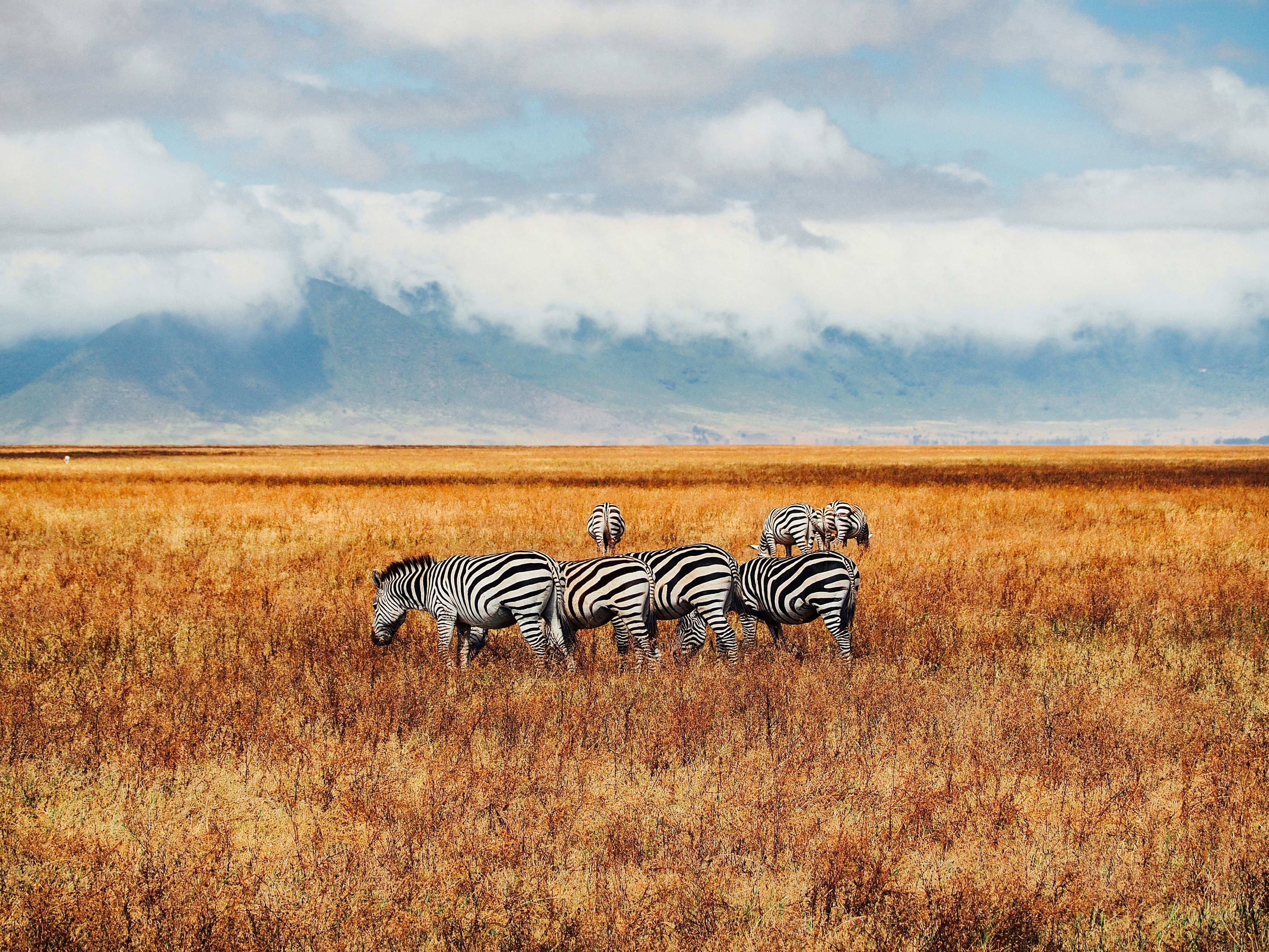
What separates the Serengeti from every other park in Africa is the combination of scale, variety, and the Migration. The Migration is not a moment. It is a continuous, year-round movement of approximately 1.5 million wildebeest, 500,000 zebra, and 300,000 gazelle — a living river of animals that circuits the ecosystem in response to rainfall, following the grass. Every month of the year, the Migration is somewhere in the Serengeti. Every month rewards a different kind of game viewing.
The Serengeti's central Seronera valley at first light — the most wildlife-dense corridor in Africa
Serengeti Zones
One Park, Five Worlds
The Serengeti is not uniform. Each zone has its own ecology, its own wildlife concentrations, and its own best season. Knowing which zone you are visiting — and why — makes the difference between a good game drive and an extraordinary one.
The short-grass plains that stretch south toward Ngorongoro — the Serengeti's most open landscape. In January and February, the wildebeest calving happens here: 8,000 calves born every single day. Cheetah hunting, lion ambushes, and hyena clan activity makes this the most action-dense zone of any season.
The park's year-round wildlife core — where the Seronera and Orangi rivers converge in a belt of riverine forest and open savanna. This is Tanzania's most reliable leopard habitat; the trees above the river hold resident individuals that can be tracked by guide over multiple days. Lion prides are present daily.
Ancient granite outcrops rising from the central plains — the Serengeti's most atmospheric landscape. Lion prides use the kopjes as territorial headquarters; black rhino sightings are possible here at dusk. The kopjes also hold rock hyrax, Verreaux's eagle owls, and augur buzzards that nest in the rock crevices.
The Grumeti River bisects the park's western arm — where the Migration's first major river crossings occur in May and June. Enormous Nile crocodiles, some exceeding five metres, have waited in these pools for a million years. The western corridor is also home to the rare patas monkey and large troops of colobus.
The Mara River in the north is where the Migration's most dramatic crossings happen — July through October. The northern Serengeti is wilder, less visited, and bordered by the Masai Mara across the Kenyan frontier. Elephant are larger and more numerous here; the landscape more varied, with rocky hills and dense bush.
The dawn balloon safari departs from the central Seronera area, drifting for one hour above whichever part of the ecosystem the wind takes you. The perspective from 200 metres — herds below, the escarpment behind, the horizon in every direction — is simply unlike anything available from a vehicle. Champagne breakfast on landing.
The Great Migration
Where the Herds Are — Month by Month
The Migration never stops. This is where 1.5 million wildebeest are in each month of the year — and what you'll witness when you visit.
Predator Capital
The Serengeti's Big Cats
The Serengeti is the world's best place to watch Africa's three big cats. All three are present year-round; all three are habituated to vehicles; all three can be located by experienced guides who track individuals by territory and behaviour.
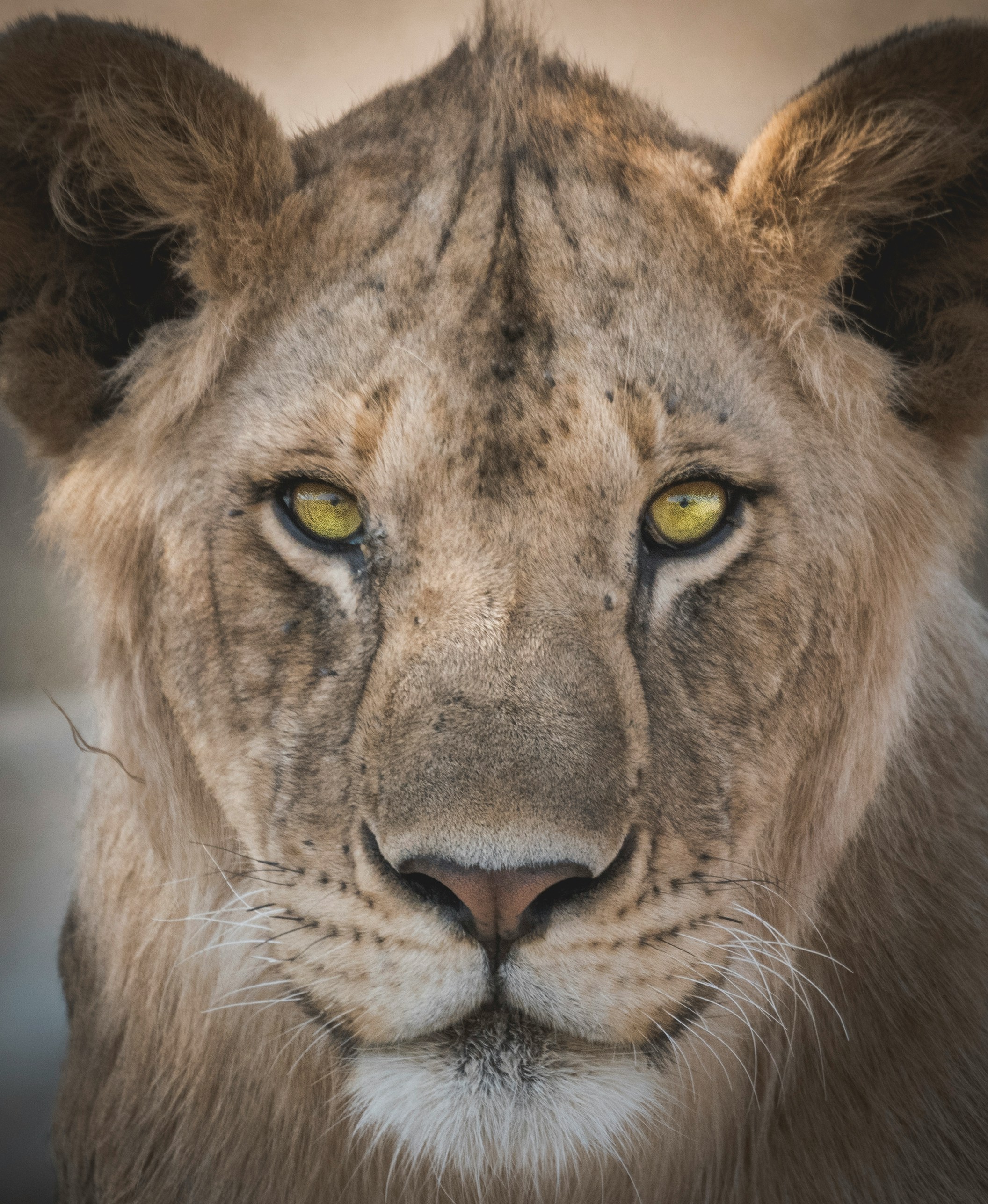
The Serengeti holds Africa's largest lion population — approximately 3,000 individuals in over 40 prides. They are extraordinarily relaxed around vehicles, having been observed by researchers since the 1960s. Morning drives in the Seronera valley routinely encounter multiple prides; during the calving season in the south, lion hunting activity is constant and extraordinary to watch.
The Seronera River's riverine forest is East Africa's most reliable leopard habitat. Individual leopards maintain territories along the river and are known to our guides by their tracks, facial markings, and tree preferences. Finding a leopard draped over a yellow-barked fever tree above the Seronera at dawn — its kill hanging in the branches beside it — is among the finest wildlife photographs possible in Africa.
The southern Serengeti's open short-grass plains are perfect cheetah country — flat, open, and full of Thomson's gazelle. Cheetah rely on vision rather than cover, and the plains give them the long sightlines they need. The calving season (January–February) brings cheetah hunting activity to a peak unseen anywhere else on Earth. Watching a cheetah bring down a gazelle fawn at 110 km/h from thirty metres is a moment that stays forever.
The Serengeti's kopjes at golden hour — lion territory for ten thousand years
Safari Experiences
Ways to Experience the Serengeti
The game drive is the foundation — but the Serengeti offers several layers of experience for those who want to go deeper than the vehicle window.
The essential Serengeti experience. A private vehicle and guide, a picnic lunch served in the field, and a full 10–12 hours in the park — enough time to follow a cheetah hunt from start to finish, stay with a pride of lions through a kill, or simply drift slowly across the plains as the light changes through the day. We never do half-day Serengeti game drives. The park rewards time.
The most spectacular add-on in African safari. The balloon launches at dawn while the plains are still silver and cold, drifting for approximately 60 minutes over whatever the wind offers — sometimes the calving herds, sometimes a pride of lions on a kill, sometimes simply the immense landscape of the plains glowing in the morning light. A full champagne bush breakfast is laid out on landing. Operated by Serengeti Balloon Safaris; reservations essential.
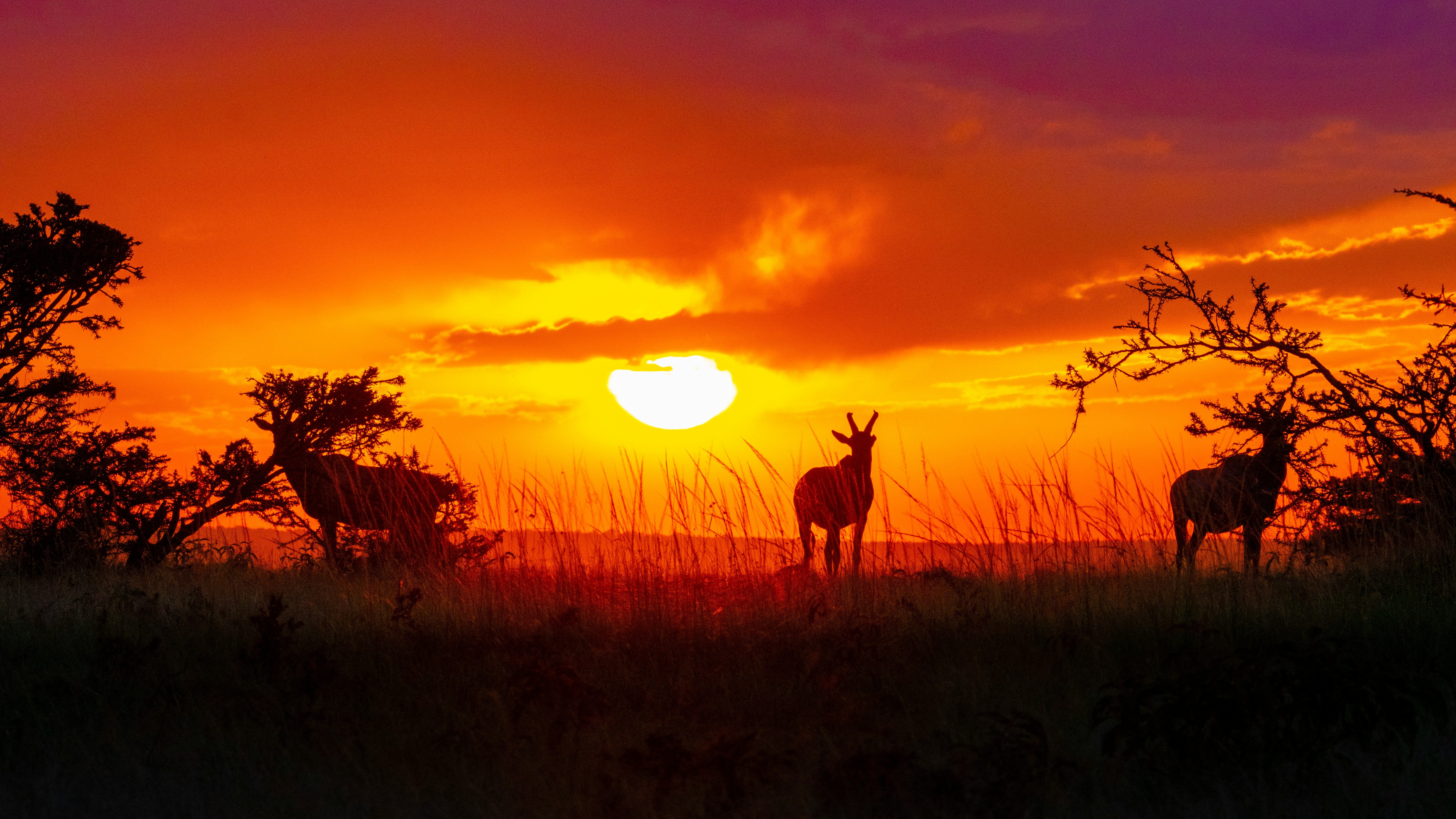
The two-hour window either side of sunrise and sunset is when the Serengeti is most alive and most beautiful. Nocturnal predators are finishing their hunting; diurnal hunters are beginning. The light is extraordinary — low, warm, and directional. Our itineraries are structured around these windows, not convenience. No Mwala safari leaves after 07:30 or returns before 18:30.
Some of our Serengeti partner camps offer guided walking safaris in the surrounding conservancies — areas that adjoin the national park and hold the same wildlife. Walking changes everything: you read tracks instead of looking at animals from above, you smell the bush instead of sitting in air conditioning, and the size of an elephant at twenty metres on foot is a completely different experience to the same elephant viewed from a Land Cruiser. Available on request at luxury-tier camps.
For serious photographers, the Serengeti is the world's finest outdoor studio. Our photography-focused departures use vehicles with window mounts and bean bags for telephoto lenses, allocate unlimited time at sightings (no group pressure to move on), and are guided by specialists who understand the light, the behaviour, and the positioning required for the images you're after. Mention photography when enquiring and we will tailor the itinerary accordingly.
Wildlife
Animals of the Serengeti
1.5 million of them — moving, always moving. The wildebeest is the engine of the Great Migration and the reason the Serengeti ecosystem functions as it does. Their hooves aerate the soil; their dung fertilises the grass; their deaths feed the crocodiles, lions, hyenas, and vultures. The Serengeti without the wildebeest is inconceivable.
The Serengeti's skies are as spectacular as its plains. Six vulture species circle above every kill. Martial eagles carry hares through the air. Bateleur eagles drift on thermals for hours without a wingbeat. For birdwatchers, this is East Africa's premier destination.
Planning Your Visit
Practical Information
The Serengeti is accessed by road from Arusha — a drive of approximately 5–6 hours through the Ngorongoro Conservation Area and Naabi Hill Gate. Alternatively, scheduled or charter flights operate to Seronera Airstrip (several daily), Lobo Airstrip (northern zone), and several private camp airstrips. Flying saves road time and offers an extraordinary aerial view of the plains on approach.
Options range from public campsites (basic, inexpensive, requiring self-catering equipment) to mid-range lodges like Serengeti Sopa Lodge and luxury tented camps like Serengeti Migration Camp and Four Seasons Safari Lodge. Location matters as much as tier: a camp in the northern Serengeti in August is worth more than a luxury lodge in the wrong zone.
Malaria prophylaxis is strongly recommended for all visits — consult your doctor 4–6 weeks before travel. Yellow fever vaccination is not required for Tanzania but is recommended. The Serengeti's altitude (1,500 m) means cooler evenings — pack a fleece for dawn drives. The sun at altitude is intense: broad-spectrum sunscreen and a wide-brimmed hat are essentials, not options.
Tanzania requires a tourist visa (USD 50, apply online at eservices.immigration.go.tz before travel). Serengeti National Park entrance fees for non-residents are approximately USD 70 per person per day — these are included in all Mwala Tours packages. The Ngorongoro Conservation Area transit fee applies when driving through to reach the park.
Neutral colours — khaki, olive, tan — are ideal. Avoid bright colours and white (dust) on game drives. Mornings in the Serengeti can be cold (8–12°C); afternoons reach 28–32°C. A lightweight fleece or jacket, a quality sunhat, polarising sunglasses for photography, and a dust bag for camera gear are the key items most first-timers don't bring and wish they had.
Mobile coverage exists in most lodge areas but is unreliable in remote zones. Most lodges have Wi-Fi, quality varying by remoteness. Tanzania's currency is the Tanzanian Shilling (TZS); US dollars are accepted almost everywhere. Credit cards work at major lodges but bring some cash for tips and market purchases. ATMs in Arusha before departure; none inside the park.
When to Visit
Best Time for the Serengeti
Every month has a reason to visit. Your best month depends on what you most want to see — use the Migration calendar above alongside this seasonal guide.
January–February for the calving season — the Serengeti's most intense and emotionally overwhelming spectacle. July–September for the Mara River crossings — the most dramatic wildlife event on Earth, when hundreds of thousands of wildebeest plunge into crocodile-filled water. June is excellent throughout — dry, cool, grass short, and the Grumeti crossings beginning. April–May brings the long rains and significantly reduced visitor numbers — a worthwhile trade for photographers who want empty roads and lush green landscapes. We operate year-round and advise each client on the best timing for their specific priorities.
Serengeti Safari Packages
Choose Your Serengeti
From a focused 3-day Serengeti stay to the full Northern Circuit — select the format that fits your time and priorities.
A focused deep-dive into the Serengeti — two zones, two nights in the park, and both golden-hour drives. The definitive single-park experience.
View Package →Tarangire, Lake Natron, Serengeti, Manyara, and Ngorongoro. Tanzania complete — the Northern Circuit as it should be done.
View Package →Your priorities, your zone, your timing. Tell us when you want to visit and what you most want to see — we will build the itinerary around it.
Enquire Now →Questions Answered