About Lake Natron
The Lake That Defies Explanation
Lake Natron does not look like it belongs on this planet. Its surface — stained deep crimson by the halophilic bacteria that thrive in its extreme alkalinity — shifts between shades of blood red, rusted orange, and dusty pink depending on the light and the season. On the far shore, Ol Doinyo Lengai, the Mountain of God, exhales pale wisps of sulphur from a crater that has been active for millennia. The air smells of minerals and ancient heat.
The lake sits at the floor of the Great Rift Valley — the fracture in the Earth's crust where Africa is slowly tearing apart — at an altitude of just 600 metres. The Rift Valley walls rise dramatically on both sides: the Ngorongoro Highlands to the west, the Gelai and Ketumbeine volcanoes to the east. In this enclosed, superheated basin, sodium carbonate-rich water drains from the surrounding volcanic highlands and has no outlet. It simply evaporates, concentrating the salts to levels that would crystallise bare skin within minutes of immersion.
For the lesser flamingo, this chemistry is home. The lake's alkalinity repels every natural predator — no lion, no crocodile, no hyena can follow a flamingo into those waters. Natron is therefore the safest nursery in Africa, and up to 2.5 million flamingos choose it for breeding in years when conditions are right. Nothing else in nature prepares you for the sight of that lake — the colour, the scale, the noise, and the smell — when you first stand at its edge.
The lake's surface turns blood-red as halophilic bacteria bloom in the extreme alkalinity
Anatomy of the Rift Valley
From Escarpment to Lake Floor — A World in Vertical
Lake Natron sits at the base of one of the Earth's greatest geological features. This cross-section shows the five distinct zones you pass through — from highland forest to lake crust — each with its own ecosystem, its own wildlife, and its own extreme character.
Highland forest and montane grassland. Buffalo, elephant, eland, colobus monkey on the escarpment above. The road from Mto wa Mbu climbs through this zone on the drive in.
Acacia scrub and thorn woodland. Maasai cattle, giraffe, Grant's gazelle, lesser kudu. The Engare Sero gorge cuts through this zone, leading to ancient rock paintings and a hidden waterfall.
Semi-arid scrub and black cotton soil. Eland, zebra, ostrich, Grant's gazelle, Maasai giraffe, vultures. Hot and wind-scoured — the Rift's own microclimate, trapped between escarpment walls.
Sodium carbonate crust and warm alkaline mud. Flamingo breeding colonies, avocet, stilts, pelican, cattle egret. The crust burns bare skin — walk with closed shoes. The flamingos are unbothered.
Active carbonatite volcano. Near the summit: black carbonatite lava, sulphur vents, and a 360° Rift Valley panorama unlike anything else on Earth. Accessible by guided night ascent.
The Stars of the Lake
Two Species, One Extraordinary Lake
Lake Natron hosts both flamingo species found in Africa. Understanding the difference between them transforms a visit from spectacular to genuinely illuminating.
The lesser flamingo is the reason Lake Natron exists as a conservation priority. Up to 2.5 million individuals — three-quarters of the world's entire population — breed here when conditions are right, making Natron irreplaceable. They are smaller and more vibrantly pink than their greater cousins, and they feed exclusively on cyanobacteria (blue-green algae) that blooms in the lake's extreme alkalinity. The same sodium carbonate chemistry that makes the lake lethal to most animals is the lesser flamingo's food source, its fortress, and its nursery.
When the colony is breeding — typically between August and November when water levels are low enough to expose mudflats for nesting — the lake's eastern section turns vivid pink from the air. Each breeding pair builds a raised mud cone just high enough to protect the single egg from the baking lake surface. The sight and sound of a breeding colony in full activity is one of Africa's great wildlife spectacles.
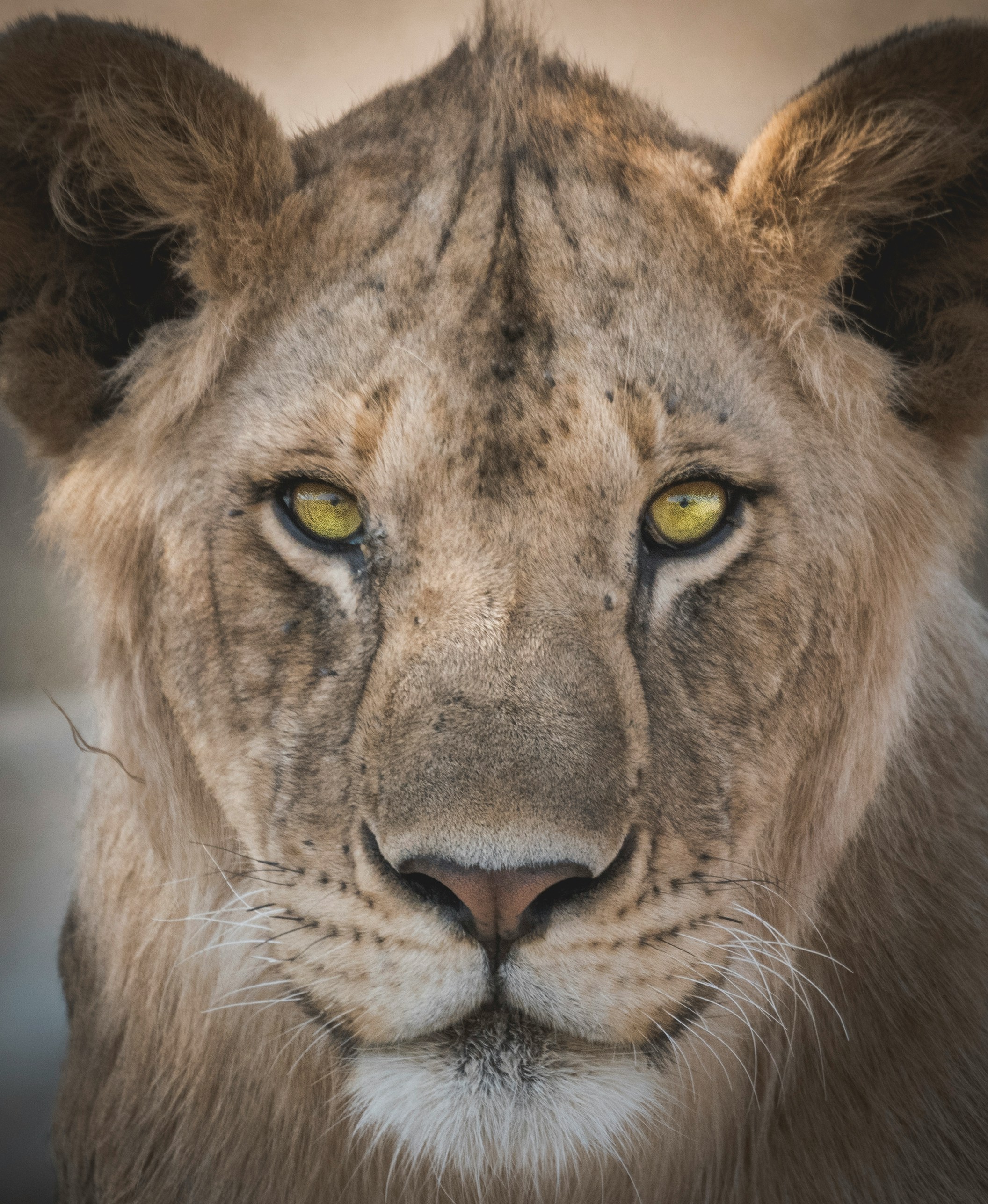
Taller, paler, and less numerous than the lesser flamingo, greater flamingos are present at Natron year-round but in smaller numbers — typically tens of thousands rather than millions. They feed differently: using their uniquely bent bill to filter invertebrates, algae, and small crustaceans from the shallower margins of the lake where the water is less concentrated.
Greater flamingos are identifiable by their white-to-pale-pink plumage with vivid red wing coverts, their larger size (up to 120cm), and their habit of feeding in areas slightly separated from the massed lesser flamingo colonies. Mixed flocks of both species at the lake's edge, silhouetted at dawn against the red lake water with Ol Doinyo Lengai behind them, represent one of the most extraordinary photographic compositions in Africa.
Beyond the Flamingos
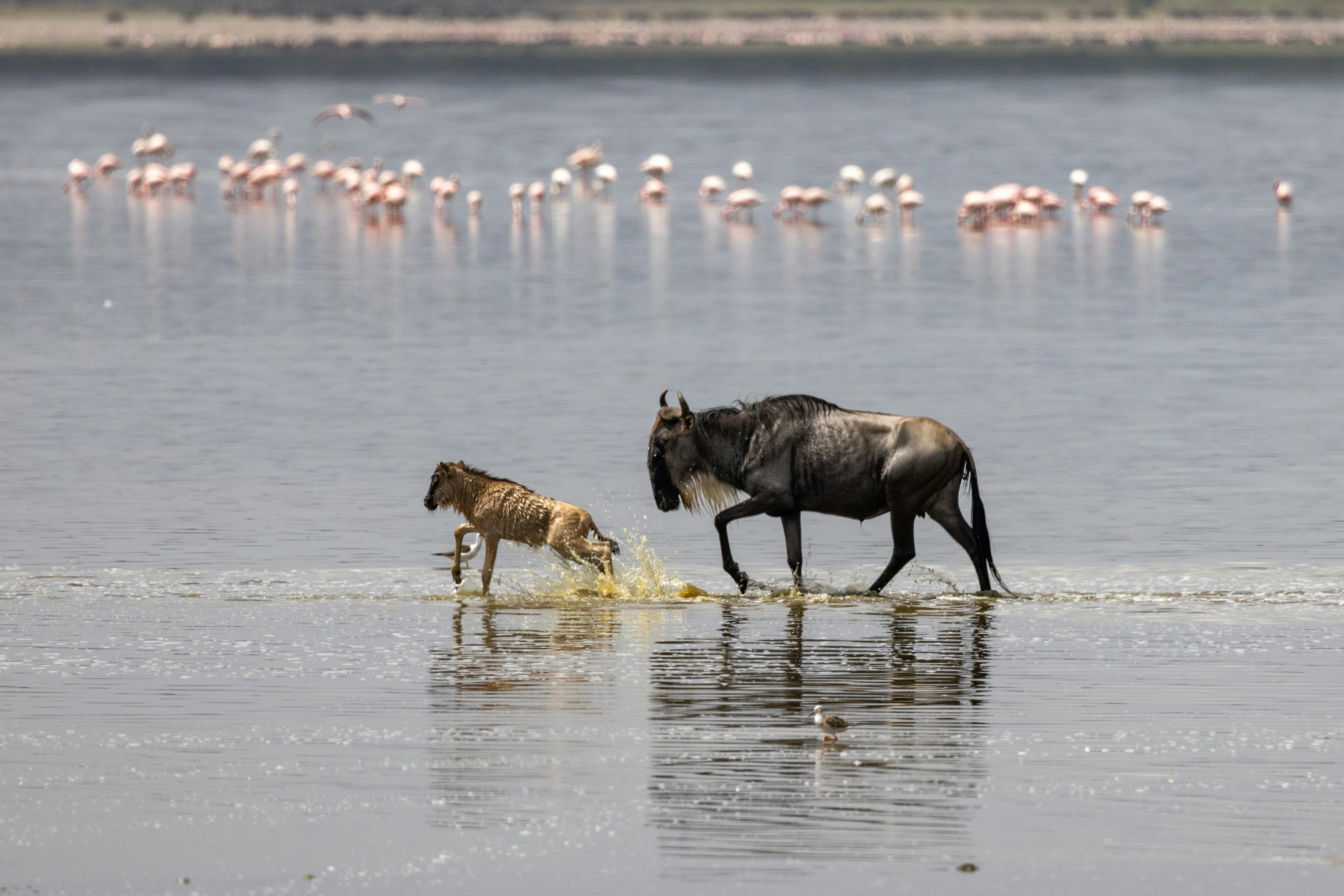
The Natron Valley's Full Cast
Dawn at the lake shore — the volcano turns amber while the flamingos begin feeding
A Day at Lake Natron
How the Perfect Natron Day Unfolds
Natron operates on its own rhythm — dictated by heat, light, and the flamingos' own daily movements. Knowing the rhythm is the difference between a good visit and an unforgettable one.
The most extraordinary hour at Natron happens before the sun is fully up. Your guide leads you from camp along the black volcanic sand to the lake's southern shore. The flamingos have been feeding through the night — the sound reaches you before the sight does. As the light shifts from violet to orange, the lake surface turns from black to deep crimson and the flamingos resolve from silhouettes into tens of thousands of pink individuals moving in synchronised feeding formations. Ol Doinyo Lengai, directly to the south, exhales its first pale breath of sulphur in the warming air. This single hour is why people come to Natron.
Depart by vehicle to the Engare Sero gorge trailhead (20 minutes from most camps). The 3–4 hour return hike leads through a narrow basalt gorge whose walls narrow to just a few metres in places, past towering columnar rock formations, and into sections of river canyon where the light barely reaches. En route your guide identifies the 5,000-year-old ochre rock paintings left by the gorge's ancient inhabitants — hunting scenes, cattle, and human figures that predate the Maasai presence in this valley by millennia. The gorge opens into a natural amphitheatre around a waterfall and deep plunge pool: one of the best swimming holes in northern Tanzania, utterly unknown to the tourist mainstream.
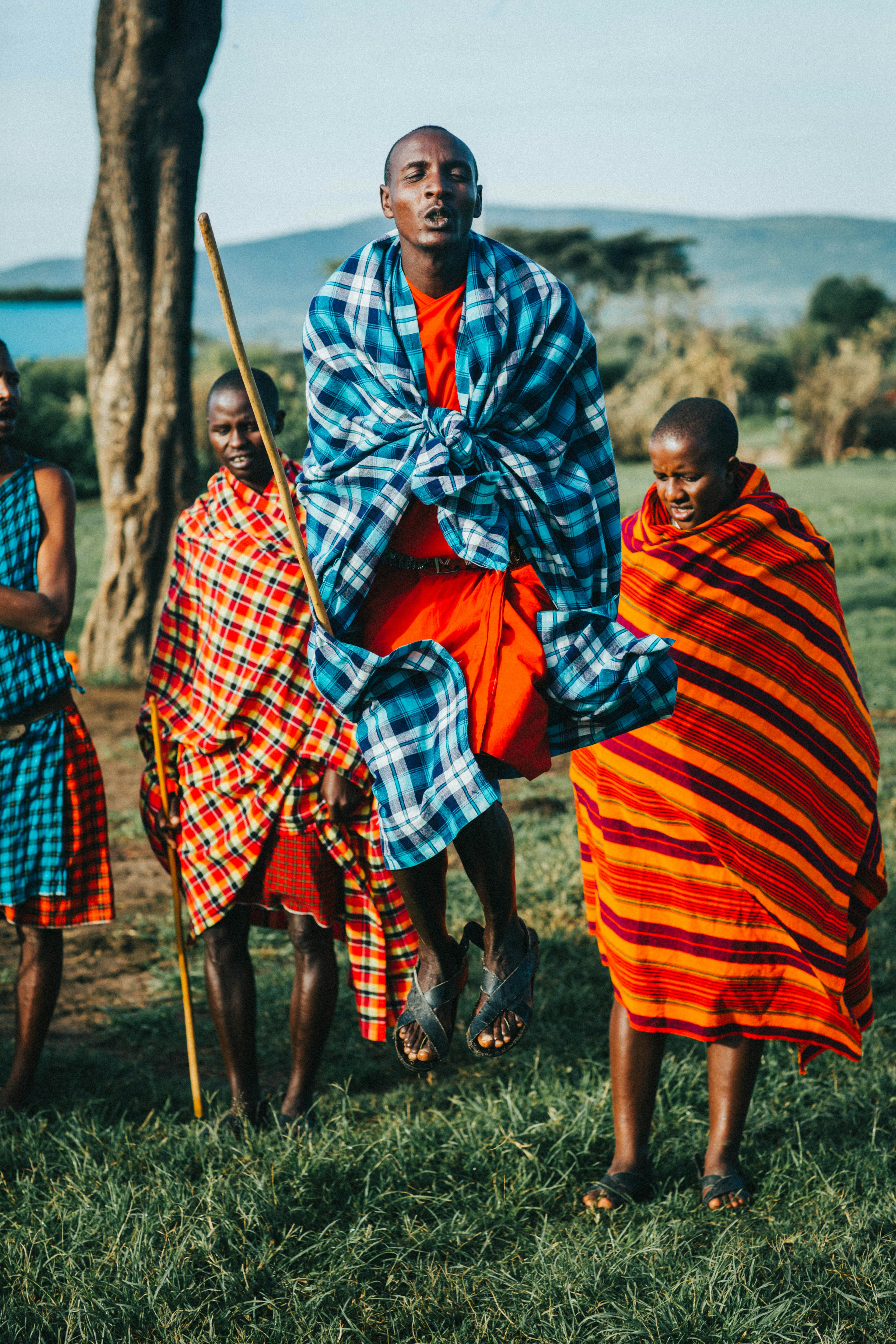
Return to camp for a late breakfast, then a game drive along the valley floor — giraffes browsing in the sparse acacia, eland moving in slow single file, ostrich trotting across the black soil in the distance. Your guide then facilitates a visit to one of the Natron valley's Maasai bomas — communities that have pastured their cattle on this valley floor for generations. Unlike the more commercially developed boma visits elsewhere, Natron's Maasai communities receive very few visitors. The exchange is correspondingly more genuine.
The Rift Valley floor in the middle of the day is genuinely hostile — temperatures above 38°C are common and the sun is direct and relentless. Rest is not laziness here; it is sensible. Most camps have shaded seating, cold drinks, and hammocks positioned to catch the occasional breeze from the escarpment. Those preparing for the optional Lengai night ascent should sleep from approximately 13:00–20:00 before the 22:00 departure.
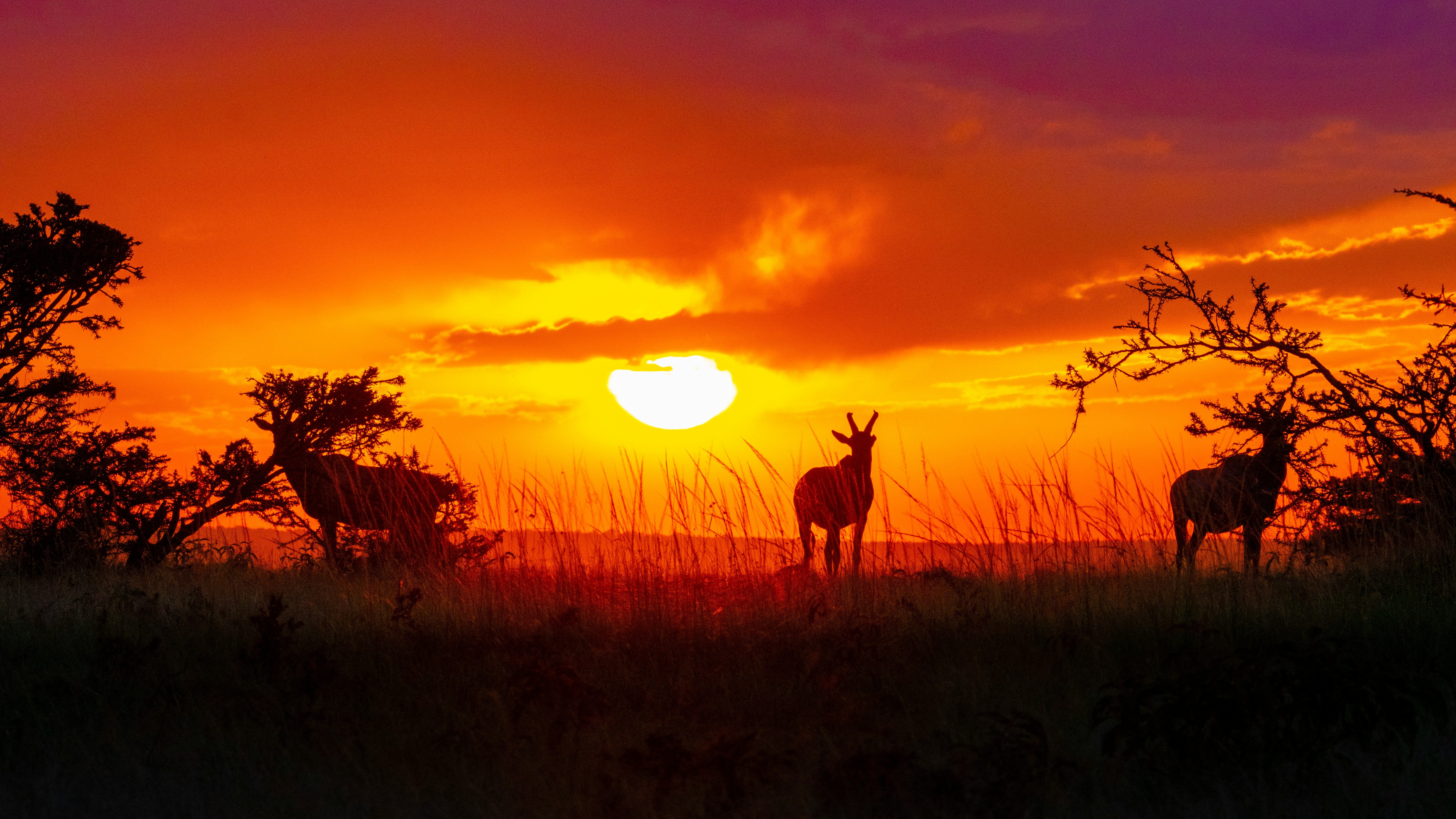
The late afternoon is the second great photographic window at Natron. The sun drops toward the western escarpment and the light turns the lake a different shade of red — warmer, more orange, less brutal than the midday crimson. The flamingos begin their evening congregation movements at this hour, often shifting from deep lake to shallower water in large formations visible from the shore. Your guide positions you for the best angles — the volcano and the birds and the lake surface in the same frame, the light perfect, the day cooling toward something almost comfortable.
Dinner is served as the Rift Valley fills with stars — the darkness here is complete, the Milky Way not a suggestion but a solid presence above the lake. After dinner, the Lengai group departs at 22:00 with headlamps and a local guide for the 5–7 hour summit ascent. Everyone else sleeps under open canvas to the sound of the flamingo colony settling for the night.
What to Explore
Six Experiences, One Valley
The Natron area rewards those who venture beyond the lake shore. Each of these six experiences is completely distinct and together they make the most comprehensive Rift Valley adventure in Tanzania.
The non-negotiable. A guided walk to the lake edge at dawn or dusk when the light and the flamingo activity are at their peak. Walk on the black volcanic sand to the crust edge — your guide will indicate how far is safe. The lake itself is a geological entity as much as a wildlife habitat: the sodium carbonate formations at its margins are as interesting as the birds above them.
A gorge walk through 5,000-year-old painted rock art to a hidden waterfall and swimming pool. One of Tanzania's least-known and most rewarding half-day hikes. The gorge itself is geologically spectacular — basalt columns formed by ancient lava flows that fractured into perfect geometric shapes as they cooled. The 2010 discovery of 19,000-year-old human footprints nearby makes this one of East Africa's most important archaeological landscapes.
The world's only active carbonatite volcano — its lava erupts at just 500°C (half the temperature of normal basaltic lava) and appears black and fluid before hardening white in minutes of exposure to air. The summit ascent is strenuous but non-technical. Departing at midnight and reaching the rim at sunrise delivers one of the most extraordinary views available anywhere in Africa: the entire Rift Valley floor below, Natron's red surface visible, the Serengeti beyond.
In 1964, a UNSECO team discovered a 1.5-million-year-old Homo erectus mandible in lake sediment at Peninj — one of the most significant human ancestor finds in East Africa. The site sits in eroded badlands on Natron's northern shore where ancient lake deposits have been exposed by erosion. A guided walk with your naturalist guide contextualises the fossils within the Rift Valley's extraordinary record of human evolution.
The Natron valley Maasai are among the least commercially exposed communities in northern Tanzania. Their bomas on the valley floor are small, their herds still managed by traditional age-group systems, and their relationship with the lake and the volcano deeply embedded in spiritual practice. Ol Doinyo Lengai is literally the Maasai God's mountain — the word Lengai means "of God" in Maa. A visit here is not tourism — it is a genuine encounter.
Lake Natron is among the darkest inhabited locations in East Africa — no significant town within 100 km, no electricity within 30 km, and the Rift Valley walls screen out the thin glow of Arusha to the south. The Milky Way is fully visible from horizon to horizon on a clear night. Your guide can identify southern hemisphere constellations and explain their use in Maasai navigation and seasonal calendars — knowledge built over thousands of years by people who have always slept under this sky.
Planning Your Visit
Practical Information
Lake Natron is approximately 5–6 hours from Arusha by road. The route passes through Mto wa Mbu at the base of the Rift escarpment, then north through Engaruka village, dropping onto the valley floor via a dramatic descent road. The final 70 kilometres is unpaved — corrugated laterite in the dry season, potentially impassable in the long rains. A well-maintained 4×4 is essential. There are no flights serving Natron — the only airstrip is a basic gravel strip used by private charters.
Lake Natron sits at just 600 metres in an enclosed valley — one of the hottest inhabited locations in Tanzania. Midday temperatures routinely exceed 38–42°C in the dry season. Nights drop to a more comfortable 22–25°C. The lake itself raises the ambient temperature and humidity around its shore. Carry at least 3 litres of water per person per day. Avoid any outdoor activity between 11:00 and 15:30. The cool season (June–August) is considerably more manageable.
Options are limited and that is part of the appeal. Budget: Lake Natron Tented Camp — simple canvas tents on the lake shore, basic shared ablutions, outstanding location. Mid-range: Natron Camp by Dorobo Safaris — established operator with excellent food and knowledgeable staff. Comfort: Retreats at Lake Natron — private en-suite cottages, a small swimming pool, and the most comfortable kitchen in the valley. All camps are unfenced — wildlife passes through. Your guide will brief you on protocols.
Natron's photography opportunities are unique and require specific approaches. Protect your gear — sodium carbonate dust from the lake shore is corrosive to lens mechanisms. Use a UV filter and keep equipment in sealed bags when not shooting. Best light: 05:30–08:00 and 17:00–19:00. Best position: low to the ground at the lake margin, shooting along the surface to capture flamingos against the coloured water. A wide-angle captures the volcano-and-lake composition; a telephoto compresses the flamingo columns into a wall of pink.
Never wade into the lake — the alkaline water causes rapid skin and eye damage and the sodium carbonate crust is unstable in places. Wear closed shoes at the lake shore — the crust at the water's edge can reach temperatures above 60°C in the midday sun. Comprehensive travel insurance with medical evacuation cover is essential — the nearest hospital is in Arusha (5+ hours). All Mwala guides carry a first aid kit and a satellite communication device. Volcano climbers must inform camp management before departure and expected return.
Lake Natron is outside the national park system — there are no TANAPA entry fees. Community conservation fees are paid to the local Maasai Wildlife Conservation Trust (approximately USD 20–30 per person per day) and are collected at a roadside checkpoint before the lake. The Engare Sero waterfall and rock art site charges a separate access fee (~USD 10/person) paid directly to the community. Volcano ascent requires a licensed local guide (separate fee, approximately USD 80/person). All included in Mwala packages.
When to Visit
Best Time for Lake Natron
Natron's season is governed by rainfall, temperature, and flamingo behaviour. Each season offers a different version of the same extraordinary landscape.
June–October is the prime window: the dry season drops temperatures to their most manageable (35–38°C rather than 42°C), the access road is in good condition, and flamingo breeding activity is at its peak on the lake. The volcano ascent is safest during the dry months when the ash surface is firm and cloud cover minimal. August–November sees the most intense flamingo breeding activity when water levels are low enough to expose the mud flats needed for nesting. February can also be excellent — the short dry period delivers clear skies and active flamingo flocks before the long rains arrive in March. March–May should be avoided: the access road floods badly and can be completely impassable for days at a time. We do not operate this route during the long rains.
Visit Natron with Mwala
Choose Your Natron Adventure
Lake Natron works as a standalone expedition or as part of a combined Northern Tanzania itinerary pairing the frontier landscape of the Rift Valley with the wildlife of the Serengeti or Ngorongoro.
The complete Natron experience: dawn flamingo walks, the Engare Sero waterfall hike, Maasai community visit, valley game drives, and the optional Lengai volcano ascent.
View Itinerary →Four days at the lake followed by the Serengeti — two of Tanzania's most different landscapes paired in a single itinerary. Flamingos and volcanoes, then lions and migration.
Enquire Now →Add a longer Lengai acclimatisation period, a night at Empakaai Crater, or a cultural immersion programme with a specific Maasai community. We'll build around your priorities.
Enquire Now →Questions Answered